Welcome to Willowbottom

Your Complete Guide to Modern Homesteading & Sustainable Living

Homesteading isn’t about having the perfect setup. It’s about using what you have, right where you are. Whether you’re growing a full garden, tending a few windowsill herbs, or just trying to live a little more sustainably, you belong here.

Ready To Start Your Garden?

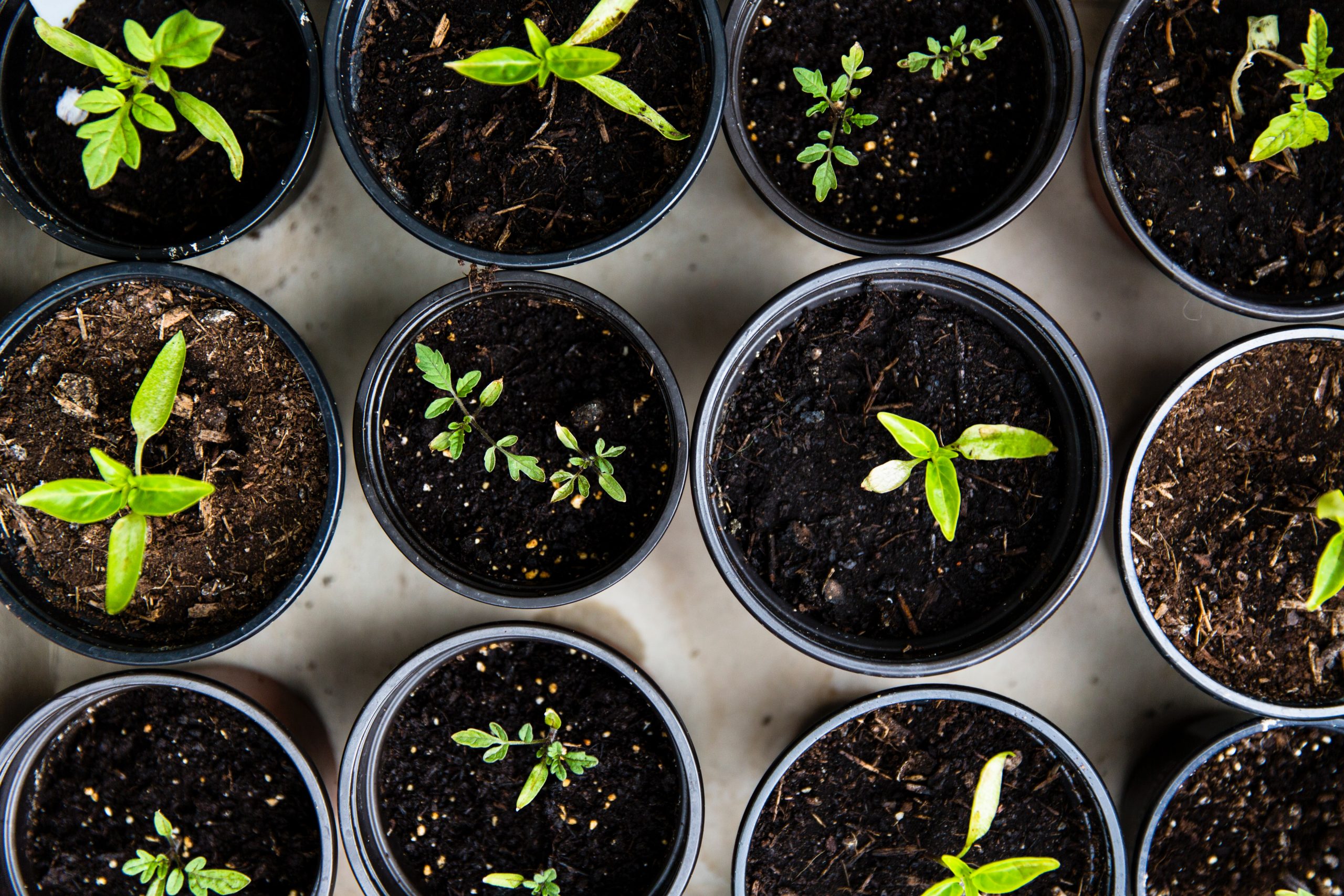
Thinking about starting a garden but not sure where to begin? Or looking for a better way to plan and manage what you’re already growing? Wherever you are in the process, this is your space to learn, stay organized, and enjoy the experience of growing your own food.
Understand Any Location Before You Move There

Get a complete picture of climate, environment, community, and livability, so you can make confident decisions before you move.

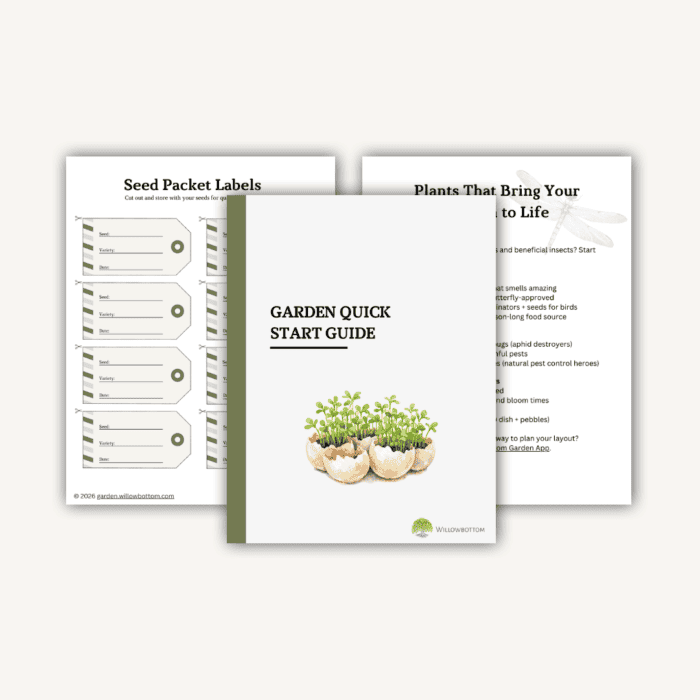
Growing your own food starts with knowing where to begin. Our free guide gets you started, and it connects you to a whole library of resources to grow your knowledge right alongside your garden.

Tune In

Watch our latest video on our YouTube channel
View Channel

Follow us @willowbottom_homestead

  • Most people have never heard of baptisia, and I think that needs to change.

It's a native perennial wildflower that comes back every year, gets bigger every season, it improves nitrogen in your soil in a 3 to 4 foot radius. Plant it once and it can live for decades.

It's also one of the best plants you can grow for native bumblebees, it produces the most beautiful flower spikes in late spring, and then these gorgeous rattling seed pods that carry the garden through fall and winter.

The only catch is that it takes a couple of years to hit its stride. But once it does, it's one of those plants you'll wonder how your garden ever existed without.

Will you be planting baptisia in your garden? 

native plants, native gardening, pollinator garden, baptisia, false indigo, native perennials, wild flower season, sustainable gardening, homestead garden, ecological gardening
  • Creeping phlox is one of those plants that's beautiful, functional, and low maintenance all at once, and it's native too. 

If you're looking for a ground cover that solves a problem and looks good doing it, this one belongs on your list. 

We have ours growing at the base of our maple tree. It's one of those spots where nothing else really wanted to grow. It filled in beautifully, it comes back every year, and every spring it puts on a show.

It's also native to eastern North America, which means it's supporting the local ecosystem while it's busy looking gorgeous and smothering your weeds. Not a bad deal.

Will you be planting creeping phlox? Let me know in the comments, and if you want to explore more native ground covers suited to your specific region, check out Garden by Willowbottom: garden.willowbottom.com

creeping phlox, native ground cover, perennial ground cover, low maintenance garden, native plants, pollinator garden, spring garden, drought tolerant plants, ground cover plants, sustainable garden
  • For a long time, our garden was almost entirely annuals. Every spring we started over from scratch, and if the weather didn't play nice, we just kind of waited around with nothing to show for it.

Then we started adding perennials. Slowly, over a few years,  fruit trees, berry bushes, native plants, medicinal herbs, and now in a spring like this one, where it's May and we've still had frost advisories last week, I am so glad we did. 

We still grow annuals like tomatoes, cucumbers, beans, squash, but having perennials as the backbone of the garden means we're never really starting from zero, no matter what the season does.

If you've been thinking about adding more perennials, the first thing worth knowing is what's actually suited to where you live. What thrives as a perennial in one zone won't make it through winter in another.

⏩ Comment ZONE and I'll send you the link to our plant library,  it'll show you your growing zone and which perennial plants actually belong in your area.

perennial garden, native plants, food garden, homestead garden, perennial vs annual, growing zone, sustainable garden, low maintenance garden, food forest, spring garden
  • Spring has this really short window where the yard is basically a free farmers market if you know what you're looking at.

Cleavers is one of those plants. It shows up early, spreads fast, and most people spend the first warm weekend of the year pulling it out by the fistful. 

Which is totally understandable because it's a little chaotic looking, but it's worth pausing before you yank it.

The sticky, velcro-like texture is how you know you've got the right plant. Young stems have a mild, cucumber-like flavor and work well in smoothies or steeped as a tea. It's been used traditionally as a spring tonic, kind of a gentle reset after winter. Just harvest before it gets fibrous, tender and young is the sweet spot.

Free food is free food.
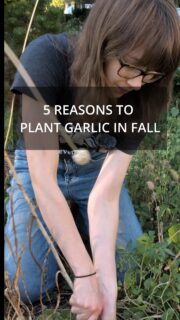
  • We still haven't put our warm season vegetables in. Between the tornadoes in March and frost advisories showing up well into May, it just hasn't felt like the right time and I've had to remind myself that waiting is not the same as losing ground.

The garden is full right now though. The garlic is tall, the strawberries are fruiting, the perennials are thriving, and the fruit trees have tiny fruit on them.  There's so much happening out here.

If your spring has been unpredictable too, whatever zone you're in, you're not behind. 

▶️ Comment 'GARDEN' and I'll send you the link to Garden by Willowbottom, it's our full gardening app that helps you plan, track, and research based on your actual growing zone so you always know what to do right now, whatever the season is doing.

unpredictable spring gardening, late spring planting, warm season vegetables, homestead garden, perennial garden, food garden, gardening tips, spring garden, slow garden, growing zone
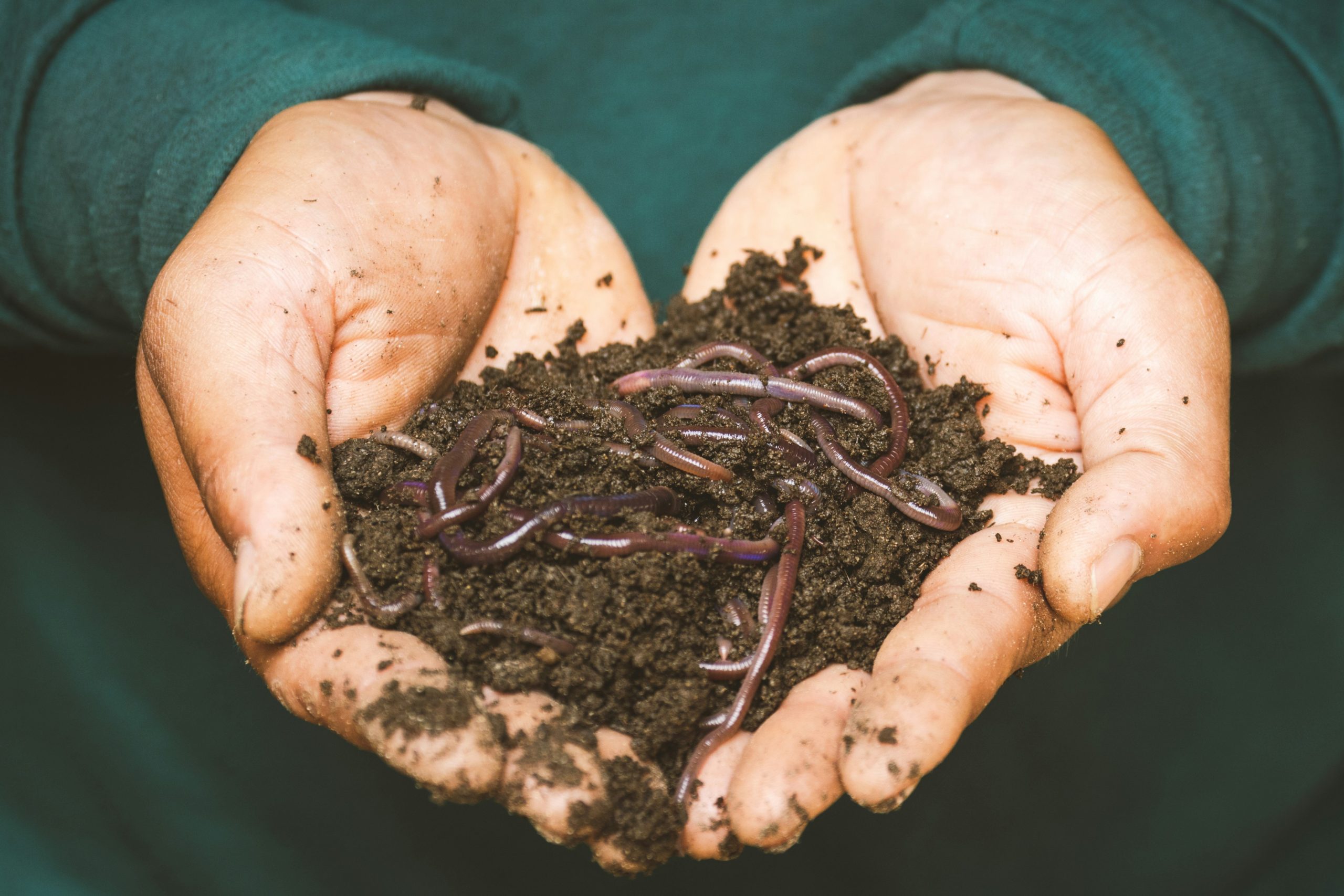
  • Cover crops are one of those things that transform your garden over time and most home gardeners never think to use them.

They build soil while nothing else is growing. They feed the microbes, fix nutrients, suppress weeds, protect bare ground from erosion, and give pollinators something to forage when the garden is still waking up and when their job is done, they become the next layer of food for the soil they just improved.

If you've never grown a cover crop, this is your sign to try it next chance you get.

▶️ Comment 'COVERCROP' and I'll send you a list of cover crops you can start using in your garden.

cover crops, soil health, nitrogen fixers, permaculture garden, organic gardening, homestead garden, chop and drop, garden soil, sustainable gardening, food garden