
Modern Homesteading
Modern homesteading is a lifestyle and a set of practices that combine traditional principles of self-sufficiency with contemporary technologies and sustainable living practices. While the term “homesteading” historically referred to the process of establishing a home on land obtained through the Homestead Acts, today’s modern homesteading is often characterized by individuals or families pursuing a more self-sufficient and sustainable lifestyle, whether in rural, suburban, or urban settings.
Anyone can be a modern homesteader by becoming self-sufficient, being aware of the impact you have on the Earth, and using the land you have to the fullest.
Practicing Modern Homesteading
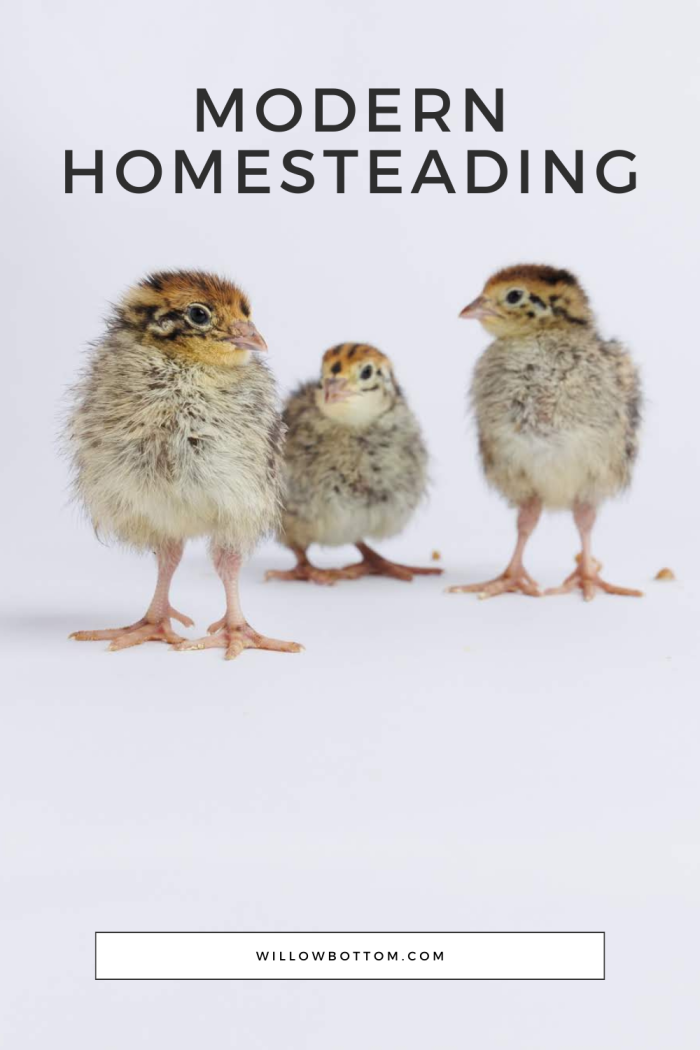
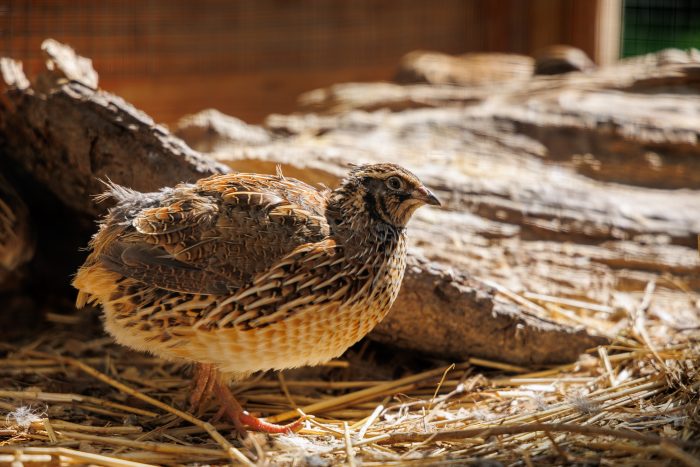
Growing food or raising livestock are great ways to become self-sufficient. However, if you live on less than an acre, it’s not always easy to raise poultry or livestock. – Quail are ideal for small properties. They don’t need a large area to roam and their enclosures don’t take up a large footprint.
Having quail will provide you with fresh eggs and fresh meat! As a bonus, raising poultry keeps you in control of what they eat, so the eggs and meat will be so much healthier than what you can get at the store.
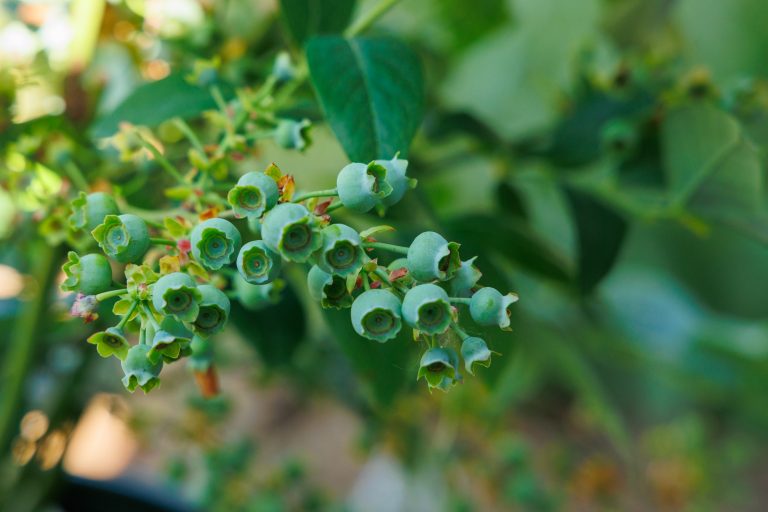
Gardening is another great way to become self-sufficient. Gardening can be done in apartments, and you can grow anything in pots or planters.
Also Read: Sustainable Water Filtration
Hunting and fishing are also ways to become self-sufficient.
Hunting, I know, is not for everyone. I never thought I would become a hunter! If you’re curious about hunting or want to see why I became a hunter, read my post about Why I Hunt.
Just because we hunt and grow our produce doesn’t mean that I don’t go grocery shopping. We grocery shop once a month. We buy the essentials that we can’t / don’t grow, hunt, or raise in bulk. This has drastically helped our monthly expenses and gives us more free time to do things we enjoy.
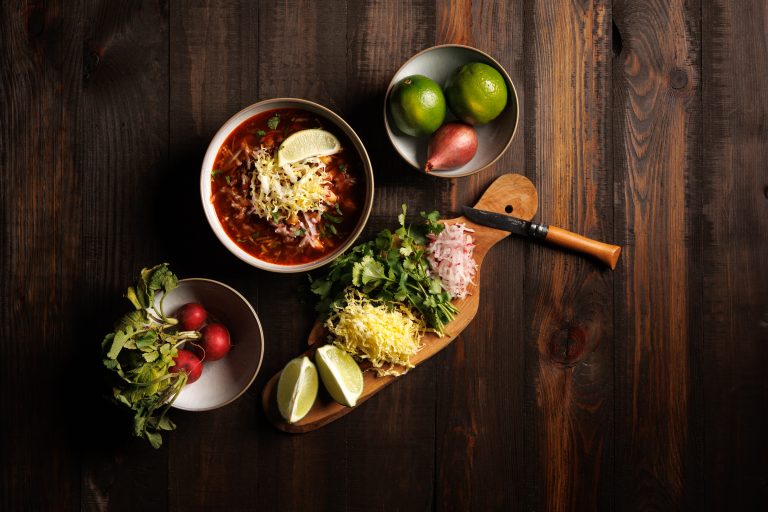
Making meals at home rather than going out to eat is another form of self-sufficiency. It’s also so much healthier, and using the food you grew or raised is so rewarding. Don’t feel bad on those days when you order take-out. I do this on occasion as well. Someday you just need to…
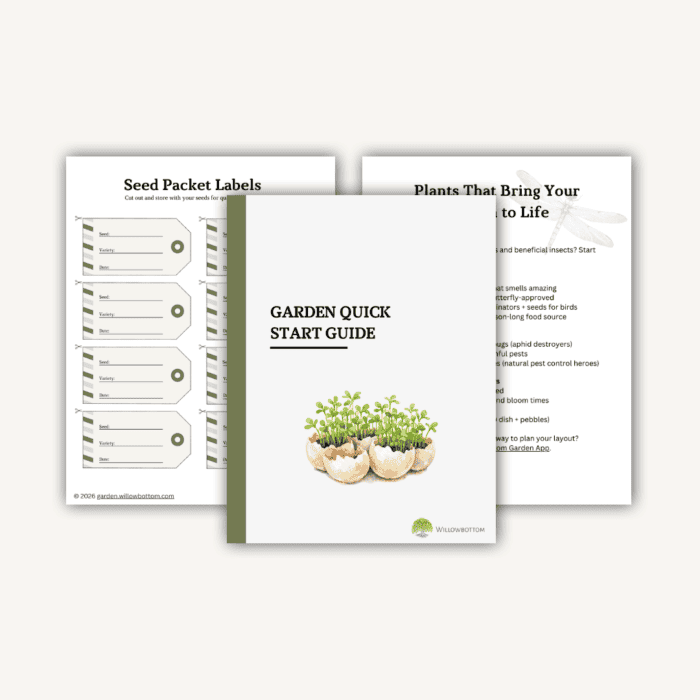
Growing your own food starts with knowing where to begin. Our free guide gets you started, and it connects you to a whole library of resources to grow your knowledge right alongside your garden.
DIY and selling homemade goods
When you start becoming more self-sufficient, DIY skills become the new normal. You’ll start finding creative ways to fix and use up items you already have, rather than buying new ones. It’s rewarding to make something with your hands.
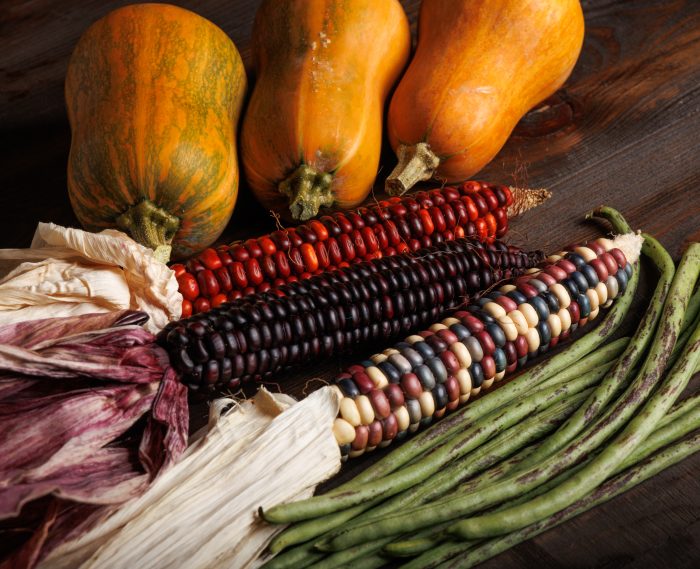
Make your land work for you and sell what you’ve made. Fruits, veggies, eggs, honey, plants, trees, and handmade items can all be sold at farmers’ markets, on your property, or online. This is a great way to make a little extra income.
Preserving food, learning to sew, making laundry detergent and cleaners, using solar panels, using a wood stove to heat your house, and doing projects around the house yourself instead of having it done are all ways we become self-sufficient.
Why you should consider Modern Homesteading
Knowing where your food comes from is a huge advantage! Teaching your children where their food comes from is one of the best life lessons you could teach.
Using our hands is becoming a lost art. This modern age has spoiled us with so many conveniences; it’s nice to tune out and make something ourselves.
Working outside is a great stress reliever, and you feel a great sense of accomplishment when you’ve been working on your projects.
Common Myths about Homesteading
“If you’re a homesteader, you don’t use electricity.”
Some who homestead live off the grid, but not all do. There are no set rules for homesteading. It’s based on living with nature in mind. It’s really difficult in modern days to live without electricity. That’s why we practice Modern Homesteading. It’s the homestead mentality for the modern age.
“It’s all work and no play.”
While it’s true that homesteading can be a lot of hard work, don’t burn yourself out. Each level of homesteading will bring its own set of challenges. Make sure to take time to “play” and do what you enjoy.
“You have to have grown up on a farm or have the farming experience to homestead.”
This is a common myth. I didn’t grow up on or work on a farm, and neither did my husband. You don’t need farm experience to homestead; you just need a willingness to learn and a desire to take control of your life.
“You have to be completely self-sufficient.”
In this modern age, it’s difficult to be completely self-sufficient. The good news is that it’s not a requirement for modern homesteading. I have running water, use electricity, have two cars that run on gasoline, and we go to the grocery store. We are not completely self-sufficient, and that’s okay. Don’t feel bad if you can’t keep poultry or livestock; not all homesteaders can.
“Homesteaders are homebodies and don’t interact with the outside world.”
Yes, I enjoy being home away from the world, but I still go shopping. I still go out to eat. I enjoy visiting museums, watching movies, and seeing plays and symphonies. Everyone is different, so there probably are homesteading hermits, but we’re not all like that.
“You have to live in the country to be a homesteader.”
This is not true. Sure, it makes it a little easier, but you can homestead in urban areas and suburban areas as well.
You don’t need to do it perfectly, but homesteading is very rewarding and gives you a deep sense of satisfaction, along with drawing you closer to nature.