The Benefits of Planting Native Plants on Your Property
When we started paying more attention to what we were actually planting on our property, we realized how much of the conventional landscaping advice we had absorbed without questioning it. Certain plants looked nice in the nursery. They were available, affordable, and familiar. So we bought them.
What we did not think much about at the time was whether those plants belonged here, whether they were doing anything for the ecosystem around them, or whether we were accidentally making our little corner of land less hospitable to the insects, birds, and other creatures that had been here long before we had.
Native plants changed how we think about our land. Not just what we plant, but why.
What Native Plants Actually Are
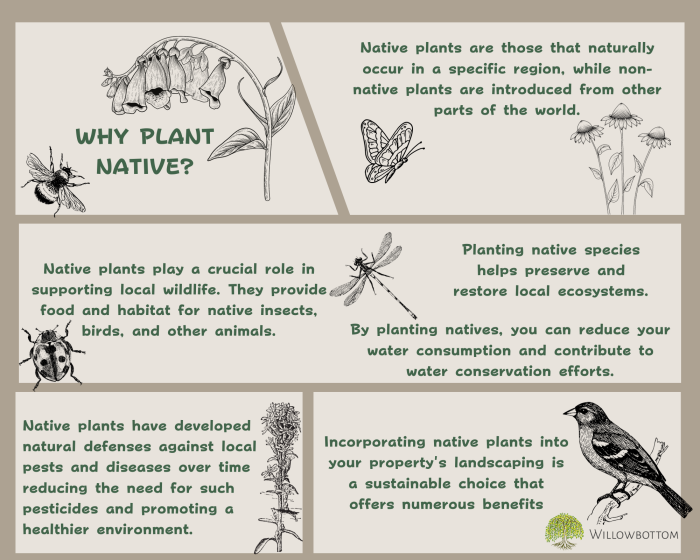
A native plant is one that naturally occurs in a specific region, having evolved there over thousands of years alongside the local insects, birds, soil, rainfall, and climate. They are not just plants that grow well in an area. They are plants that belong to it in a deeper sense, that developed in relationship with the other species around them.
Non-native plants, by contrast, were introduced from elsewhere, sometimes intentionally for aesthetic or agricultural reasons, sometimes accidentally.
Many non-native plants are perfectly harmless. Some are invasive, meaning they spread aggressively and outcompete native species for resources, but even the ones that are not technically invasive often fail to support local wildlife in the way that native plants do, because the insects and animals in your region did not evolve alongside them.
They Support the Food Web in Ways Non-Native Plants Cannot
This is what changed our perspective most significantly. We knew native plants were better for wildlife in a vague, general sense. What we did not fully understand was the specificity of that relationship.
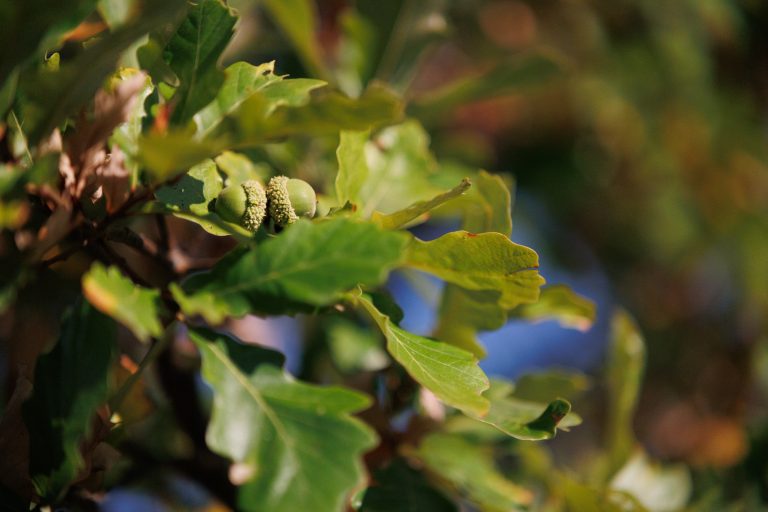
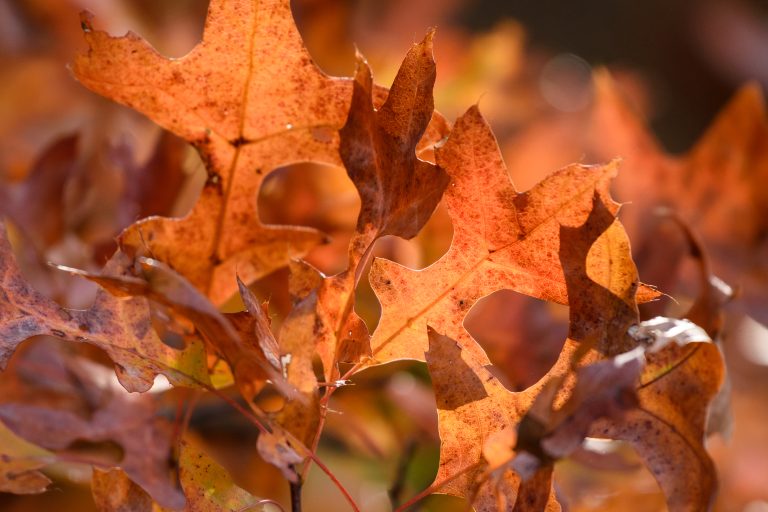
Entomologist Doug Tallamy’s research has been eye-opening on this point. Native oaks, for example, support hundreds of caterpillar species. Most non-native ornamental trees support very few, sometimes none. And caterpillars are not just a curiosity. They are the primary food source for nesting birds. A chickadee raising a brood of chicks needs somewhere between 6,000 and 9,000 caterpillars during the nesting season. If the plants on your property cannot support caterpillar populations, you are not going to have many nesting birds, regardless of how many feeders you put out.
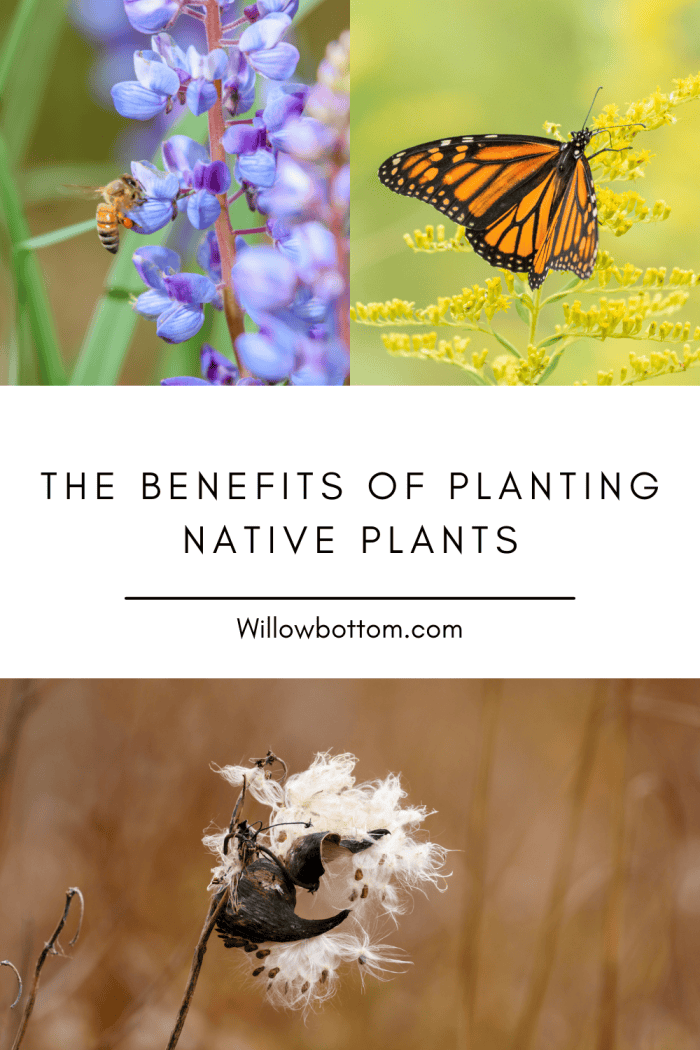
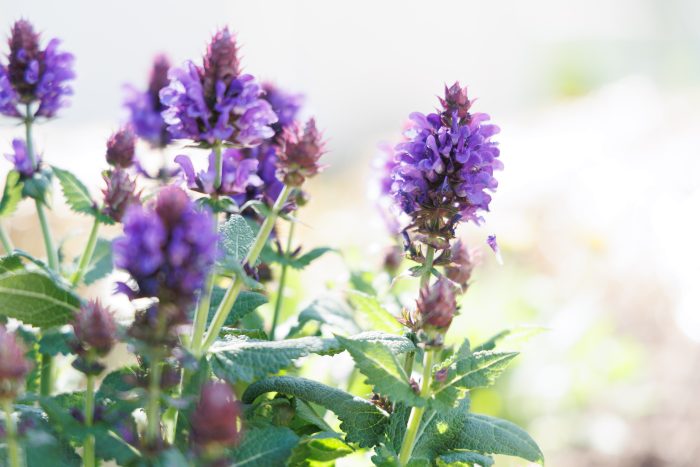
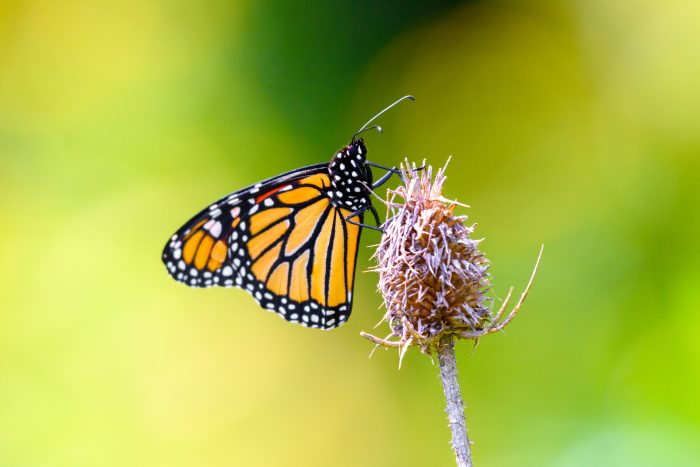
This same principle runs through the whole food web. Native bees, which are far more diverse and in many cases more effective pollinators than honeybees, have often evolved to collect pollen from specific native plant genera. Monarch butterflies cannot complete their life cycle without milkweed. Specialist insects that have co-evolved with native plants over millennia simply cannot substitute non-native plants for the ones they need.
When we replace native plants with non-native ones, even beautiful ones, we are quietly pulling threads out of the ecosystem around us.
Growing your own food starts with knowing where to begin. Our free guide gets you started, and it connects you to a whole library of resources to grow your knowledge right alongside your garden.
They Are Adapted to Where You Live
Native plants have spent thousands of years calibrating to the specific conditions of your region. The rainfall patterns, the soil composition, the temperature swings, and the frost dates. They do not need you to compensate for a mismatch between their needs and your environment because there is no mismatch.
In practical terms, this means less watering once they are established, less fertilizing, and less intervention overall. A non-native plant that needs more water than your climate naturally provides requires you to make up the difference indefinitely. A native plant, given a reasonable establishment period, generally takes care of itself.
This does not mean native plants require zero attention. Establishment matters, and some natives have specific needs. But over time, a landscape built around native species tends to become more self-sustaining, not less, which is a very different trajectory than a landscape of plants fighting against their environment.
They Reduce Your Dependence on Chemicals
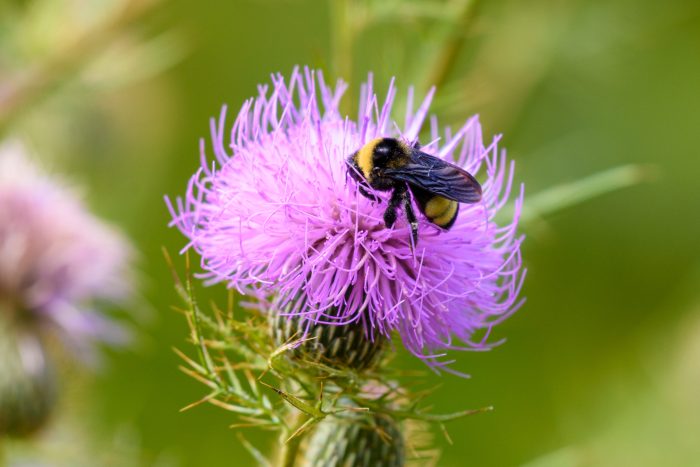
Native plants have developed natural defenses against the pests and diseases present in their local environment over a very long time. This does not mean they never get eaten or never get sick, but they tend to be far more resilient than non-native species facing threats they did not evolve alongside.
Non-native ornamentals are often more vulnerable to local pest pressure, which is part of why conventional landscaping can require so much chemical intervention. Pesticides, herbicides, and synthetic fertilizers used to prop up plants that are not well-suited to their environment are part of what makes conventional landscaping so ecologically costly. Shifting toward natives reduces that dependency and keeps those chemicals out of your soil, your water, and your local ecosystem.
They Are Genuinely Beautiful
This is worth saying plainly because there is a persistent assumption that choosing native plants means sacrificing aesthetics, that you are trading a beautiful yard for a virtuous but scraggly one.
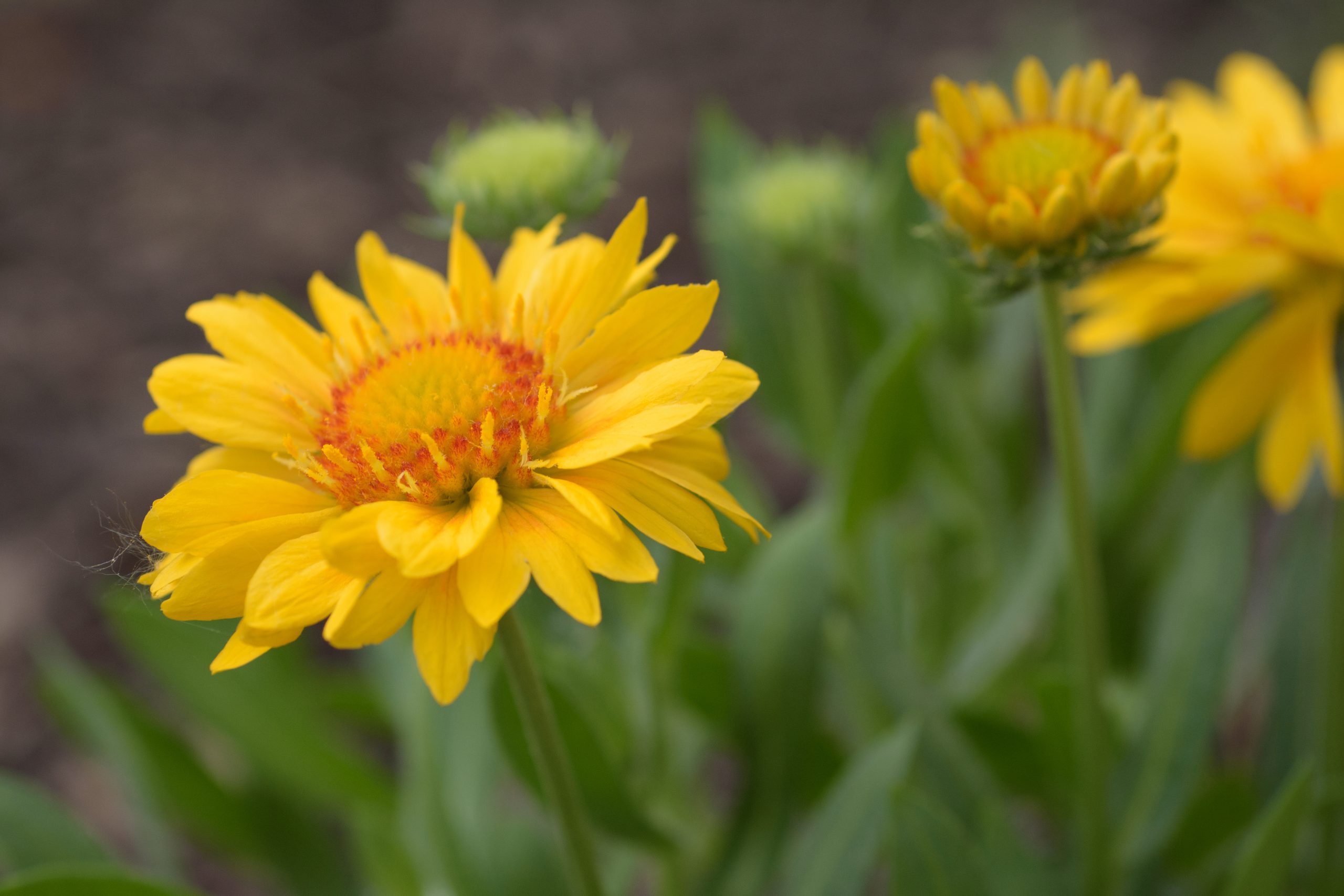
That has not been our experience at all. Native plants come in an extraordinary range of colors, textures, heights, and bloom times. You can design a native landscape that looks intentional and lush and interesting across every season, one that changes through the year in ways that a static lawn or a bed of non-native annuals never does. Wild bergamot, black-eyed Susans, native ferns, Joe Pye weed, coneflowers, native grasses, and dozens of other species can create something that looks genuinely designed while doing far more ecological work than a conventional landscape ever would.
There is also something to be said for a yard that looks like it belongs to your region. Native plant landscapes tend to have a character and a coherence that reflects where you actually are, which is its own kind of beauty.
They Help Restore What Has Been Lost
Urban and suburban development has displaced enormous amounts of native habitat. The land your home sits on very likely looked quite different a hundred years ago, with different plants, different insects, and different wildlife depending on all of it.
You cannot fully restore a native ecosystem in a suburban backyard. But you can create a habitat patch, a piece of landscape that supports native species and functions as part of a larger network of similar spaces. Research on habitat corridors suggests that even small areas of native planting contribute meaningfully to the movement and survival of wildlife through fragmented landscapes.
Every yard that incorporates native plants becomes a small piece of something larger. That matters more than it might seem.
Where to Start
If you are not sure which native plants are right for your specific region, your local native plant society is one of the best resources available. Many have plant lists organized by region, soil type, and sun exposure, and some host plant sales where you can find species that are genuinely local rather than just broadly native to your country.
The Xerces Society and the National Wildlife Federation’s native plant finder are also worth bookmarking. You can enter your zip code and get a list of the native plants most beneficial to the pollinators and wildlife in your specific area.
Starting small is fine. One garden bed converted to natives, one corner of the yard replanted with species that belong there. The goal is not perfection. It is direction.