Why Old-Growth Forests Matter (And Why You Should Care)
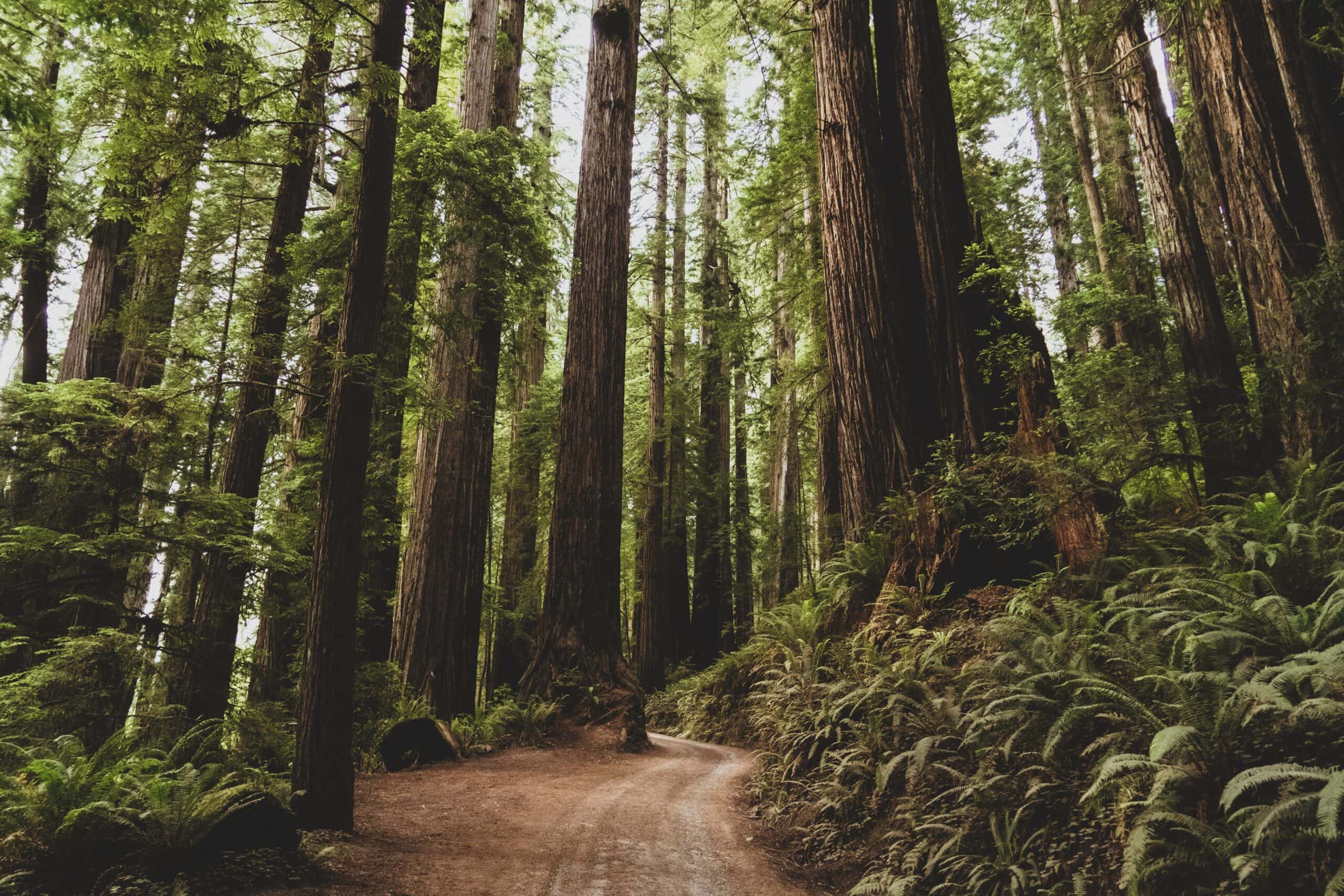
There is a particular kind of quiet that exists inside an old-growth forest. Not silence exactly, because there is plenty of sound, birds, wind moving through the canopy, water somewhere in the distance, the soft creak of trees that have been standing for centuries, but it is a quiet that feels intentional. Like the forest is doing something, and doing it well, and has been doing it long before you arrived.
Old-growth forests are among the most important ecosystems on the planet. They are also among the most misunderstood and the most threatened. Less than 20% of the world’s original forests remain intact.
What Makes a Forest Old-Growth
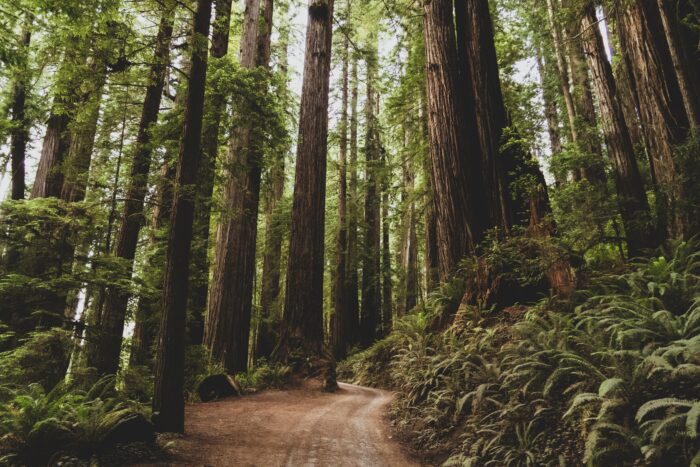
The term gets used loosely sometimes, so it is worth being specific. An old-growth forest, sometimes called a primary forest or ancient forest, is one that has never been significantly disturbed by humans. It has not been logged, cleared, or replanted. It has been left alone long enough to develop into something genuinely complex.
What that complexity looks like in practice is a multi-layered canopy where light filters down in stages, ancient trees with hollowed trunks that become homes for birds and mammals, deep soil built over centuries from layer after layer of decomposing organic matter, and a web of fungi, insects, plants, and animals that have co-evolved in relationship with each other over enormous spans of time. Some of the trees in old-growth forests are hundreds of years old. Some are older than that.
This is not something you can rush or recreate. A replanted forest, even a well-managed one, is not an old-growth forest. The biodiversity, the soil depth, the fungal networks, and the accumulated carbon, none of it comes back on a human timeline. When an old-growth forest is destroyed, it is effectively gone permanently.
Carbon Storage and Climate
Old-growth forests are extraordinary carbon sinks. Over centuries, they absorb and store massive amounts of carbon dioxide, holding it in their trees, their soil, and their root systems. The older and more complex the forest, the more carbon it holds.
When these forests are logged or cleared, that stored carbon is released back into the atmosphere. Deforestation as a whole accounts for nearly 15% of global carbon emissions, which is more than the entire global transportation sector combined. Keeping old-growth forests standing is not a secondary climate strategy. It is one of the most direct and effective ones we have.
Old-growth forests also regulate local and regional weather in ways that go beyond carbon storage. Their root systems filter rainwater as it moves through layers of soil before reaching streams and rivers, keeping waterways clean and clear. Their canopy and understory slow erosion and stabilize the land around them. In regions where old-growth has been cleared, flooding and drought become more severe because the forest’s capacity to absorb, hold, and gradually release water is gone.
Biodiversity That Exists Nowhere Else
Old-growth forests are biodiversity hotspots in the truest sense. The species that live in them are not just abundant; many of them are entirely dependent on old-growth conditions and cannot survive elsewhere.
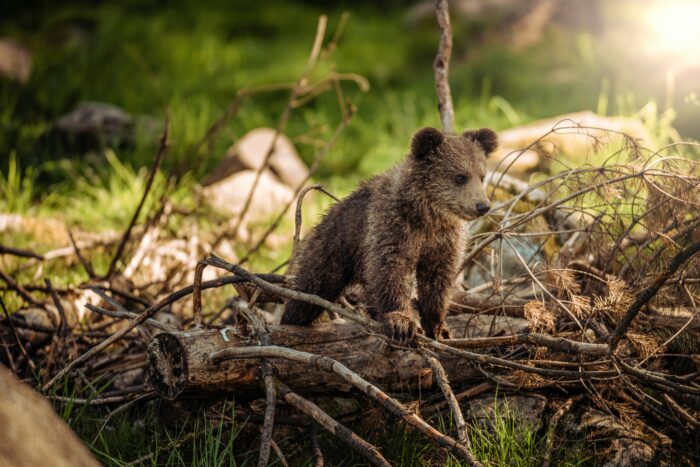
Spotted owls require the large, hollow old-growth trees that younger forests do not yet have. Certain fungi exist only in the specific conditions created by centuries of undisturbed forest floor. Countless insects, lichens, mosses, and plants have evolved in relationship with these particular ecosystems and cannot simply relocate when the forest is gone.
This matters beyond the intrinsic value of wildlife. Ecosystems with high biodiversity are more stable and resilient than simplified ones. They are better equipped to handle disturbance, disease, and climate stress. When biodiversity collapses, everything that depends on it, including human food and water systems, becomes more vulnerable.
There is also the medical dimension, which does not get enough attention. A significant portion of modern pharmaceuticals are derived from compounds found in forest plants and microorganisms. Old-growth forests contain species that have never been studied. Some of them may hold compounds with real implications for human medicine. When we destroy these forests before we have had a chance to understand what is in them, we are eliminating possibilities we did not even know existed.

Growing your own food starts with knowing where to begin. Our free guide gets you started, and it connects you to a whole library of resources to grow your knowledge right alongside your garden.
The Cultural Dimension
For many Indigenous communities around the world, old-growth forests are not simply natural resources or scenic landscapes; they are home in the deepest sense of the word.
These forests have provided food, medicine, and materials for generations. They hold ceremonial significance. They carry traditional knowledge that has been accumulated and passed down over centuries, knowledge about the plants, the animals, the seasons, and the ways the forest works.
When old-growth forests are cleared, Indigenous communities do not just lose land. They lose access to medicine and food systems, sacred sites, and the living context in which their cultural knowledge exists and is practiced. The destruction of these forests is inseparable from the broader history of displacement and erasure that many Indigenous communities have experienced.
Supporting Indigenous-led conservation efforts is one of the most effective things outsiders can do, in part because Indigenous stewardship has historically been among the most successful forms of forest protection.
What Is Threatening These Forests
The threats are not mysterious. Logging for timber and paper is one of the oldest and most sustained. Agriculture drives enormous amounts of deforestation globally, particularly clearing for cattle grazing and for growing crops like soy and palm oil that end up in processed foods and cosmetics. Urban expansion pushes roads and development into previously untouched areas. And climate change is now adding pressure from a different direction, with rising temperatures, prolonged drought, and increasingly severe wildfire seasons weakening forests that have survived for centuries.
The common thread is that old-growth forests are treated as a resource to be extracted rather than a system to be maintained, and once they are gone, there is no version of replanting that brings them back within any timeframe that matters.
What You Can Actually Do
Some of this feels enormous and systemic, because it is. But individual choices aggregate, and awareness matters even before action does.
Pay attention to where products come from. FSC certification on wood and paper products indicates more responsible sourcing. Palm oil, which appears in a startling number of processed foods and personal care products, is linked to significant deforestation, particularly in Southeast Asia. Reading labels and making different purchasing choices is not going to save a forest by itself, but it is part of shifting demand.
Support the organizations and movements that are doing the policy and legal work to protect old-growth specifically. Many conservation organizations focus on reforestation, which is valuable, but protecting what already exists is a different and arguably more urgent priority. Indigenous-led land protection efforts in particular are worth seeking out and supporting directly.
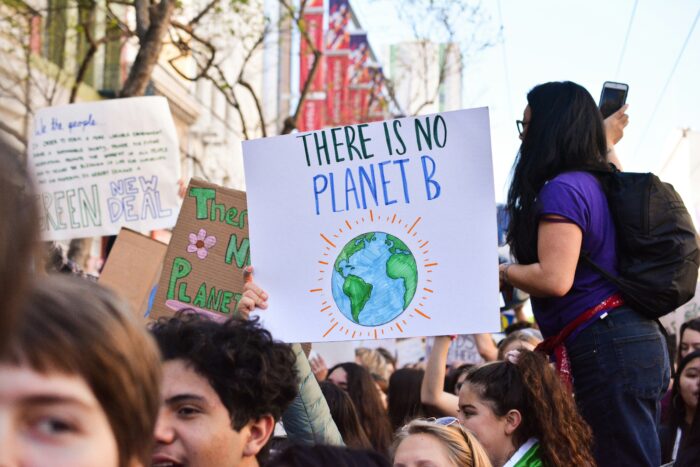
Reduce your own carbon footprint where you can, because climate change is now one of the direct threats to forests that have survived everything else. And talk about this. Share what you learn. The more people understand what old-growth forests actually are and what is at stake, the more political and cultural pressure exists to protect them.
Why It Matters
Old-growth forests are not old because nothing happened to them. They are old because of everything that happened in them, centuries of growth and death and decomposition and regrowth, of species finding their place in relation to each other, of soil deepening and fungal networks expanding and carbon accumulating in the wood of trees that have outlived entire civilizations.
We cannot replicate that. We can barely fully understand it. What we do have is the ability to stop destroying it, and that is where it starts.
Have you ever been inside an old-growth forest? I would love to hear about it in the comments.