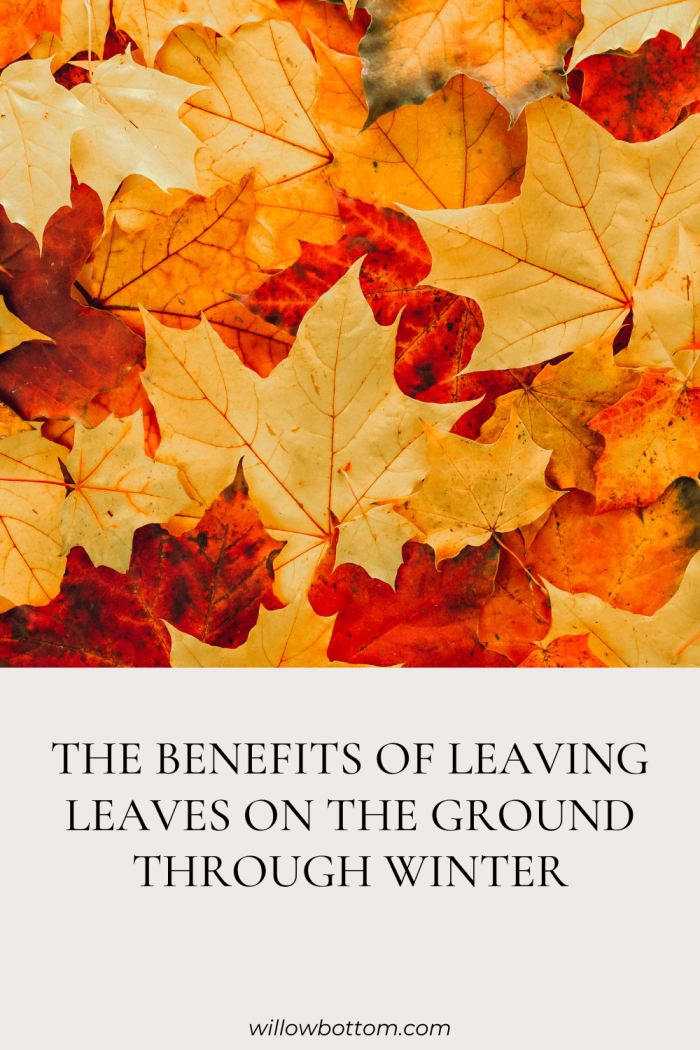
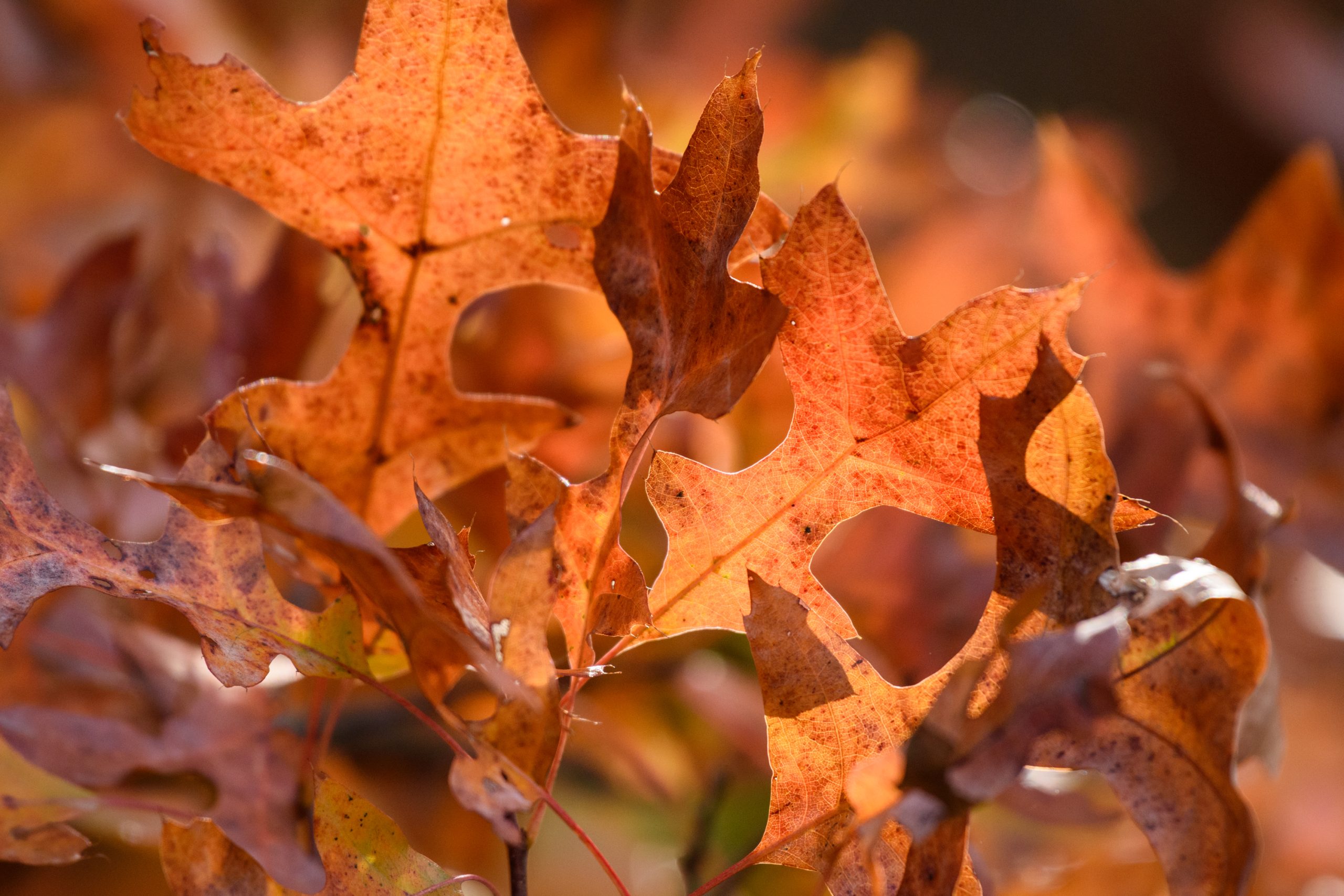
The Benefits of Leaving Leaves on the Ground
Every fall, the same thing happens in neighborhoods across the country. The leaves come down, the leaf blowers come out, and within a few weekends, every yard is raked clean and bagged up at the curb. It looks tidy. It feels productive, and it is, ecologically speaking, one of the more counterproductive things we do all year.
We stopped raking our leaves a few years ago, and our garden has been better for it. Here is why.
Leaves Are Not Waste
The framing of fallen leaves as something to be cleaned up is worth questioning from the start. A leaf that falls from a tree is not yard waste in any meaningful sense. It is organic matter returning to the system it came from.
In a forest, nobody rakes. Leaves fall, they accumulate, they break down slowly over the winter and into spring, and in doing so, they feed the soil, shelter the creatures living in it, and eventually become part of the ground itself. That process is not a problem to be managed. It is the system working exactly as it should.
When we rake and bag leaves and send them to a landfill, we are removing a free, locally produced resource from our own yards and replacing it with mulch and fertilizer we pay for. It is worth at least pausing to ask whether that trade makes sense.
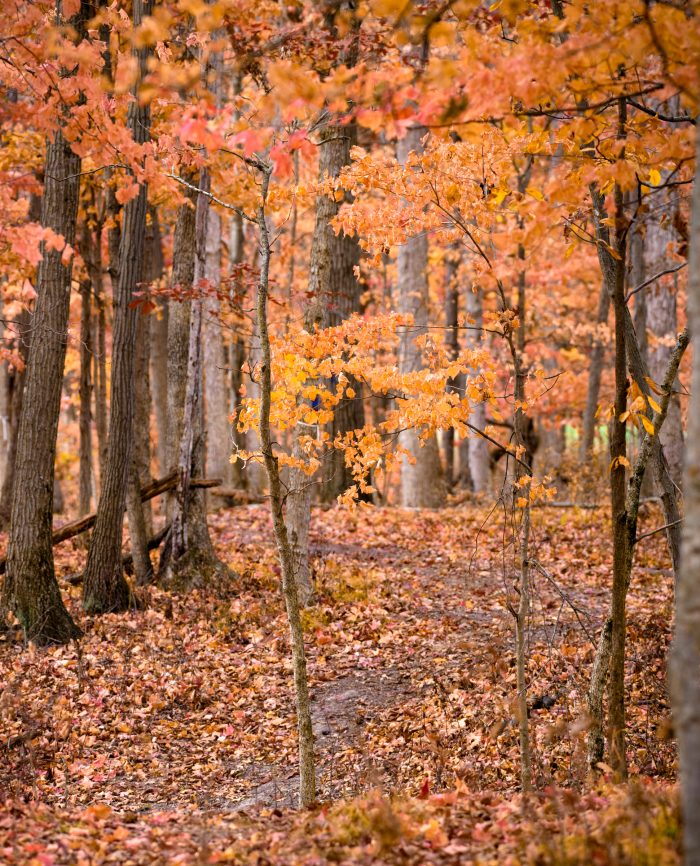
What Leaves Do for Your Soil
As leaves decompose through winter and into early spring, they release nutrients back into the soil gradually. Nitrogen, phosphorus, potassium, and a range of trace minerals that were pulled up from deep in the ground over the growing season are returned to the surface layer, where your plants can access them. This is nutrient cycling in its most basic form, and it has been happening in forests for as long as forests have existed.
The leaf layer also improves soil structure over time. As it breaks down, it adds organic matter that helps sandy soils retain moisture and helps clay soils drain more effectively. The microbial activity involved in decomposition feeds the broader soil ecosystem, supporting the bacteria and fungi that make nutrients available to plant roots.
A thick layer of leaves also acts as insulation through the coldest months, buffering soil temperatures against the kind of freeze-thaw cycles that can heave roots and damage the soil structure, and it reduces erosion during heavy winter rains, holding the surface layer in place when it would otherwise wash away.
The Creatures Depending on Those Leaves
This is the part that genuinely changed how we think about leaf cleanup.
A significant number of native insects overwinter in leaf litter. Luna moths, swallowtail butterflies, and hundreds of other species spend the winter as pupae tucked into fallen leaves, or as eggs attached to leaf surfaces, or as adults sheltering beneath the accumulated layers. When those leaves get raked up and hauled away in the fall, those insects go with them.
Toads, salamanders, and some small mammals also rely on leaf litter for winter shelter. Earthworms and the countless soil organisms that do the work of decomposition depend on the leaf layer for both habitat and food.
The timing of spring leaf cleanup matters too. The recommendation from most entomologists and ecologists is to wait until daytime temperatures are consistently above 50 degrees Fahrenheit before disturbing leaf litter, because that is when overwintering insects have had the chance to emerge. Cleaning up in early spring before that threshold means removing insects that have survived the winter but have not yet had the chance to complete their life cycle.
We did not know any of this when we started gardening. Once we did, it changed what fall cleanup looks like for us entirely.
Growing your own food starts with knowing where to begin. Our free guide gets you started, and it connects you to a whole library of resources to grow your knowledge right alongside your garden.
What to Do If You Cannot Leave Them Everywhere
We understand that leaving every leaf exactly where it falls is not realistic for everyone, and honestly, it is not always what we do either. There are areas of the yard where a thick mat of leaves can smother grass or certain plants if left in place, and that is a legitimate consideration.
A few approaches that work well:
Rake leaves off the lawn, but move them into garden beds rather than bagging them. They do the most good where they can decompose directly into the soil around your plants.
Run the lawn mower over leaves on the grass and leave the shredded pieces in place. Shredded leaves break down faster, feed the lawn, and do not mat the way whole leaves can.
Create a dedicated leaf pile in a corner of the yard. It costs nothing, takes up little space, and over a year or two breaks down into leaf mold, which is one of the best soil amendments you can add to a garden bed.
Compost them. If you have a compost pile, leaves are an excellent carbon source to balance the nitrogen-rich kitchen scraps and green garden waste.
The goal is to keep the organic matter on your property rather than sending it away. How you do that will depend on your space and your garden, but there are usually more options than raking and bagging.
The Smaller but Real Environmental Argument
Bagging leaves and having them collected and hauled away has a carbon cost that is easy to overlook because it happens at the municipal level rather than in your own hands. Leaf blowers, particularly gas-powered ones, are among the more polluting small engines in common residential use. And when organic material like leaves ends up in a landfill rather than decomposing naturally, it breaks down anaerobically and produces methane, which is a more potent greenhouse gas than carbon dioxide.
None of this is catastrophic on an individual scale, but it adds up across millions of yards, and the alternative, simply leaving the leaves or moving them to your garden beds, is one of the easier environmental choices available to most homeowners.

The Simplest Argument
Beyond the soil health and the wildlife and the environmental accounting, there is a simpler case to be made.
Your trees spent all year pulling water and nutrients from the soil to produce those leaves. Letting them return to the ground is just closing the loop. It is how the system is designed to work, and working with it costs you less time, less money, and less effort than working against it.
Leaves are called leaves for a reason. Let’s leave them alone.