Planning your garden and why you should grow your own food
There is something that shifts in you the first time you pull a tomato off the vine and eat it still warm from the sun. It tastes different, better, and once you know what food can actually taste like when it is grown with intention, it is hard to go back.
Growing your own food is one of the most practical steps you can take toward a more sustainable, self-sufficient life. It does not require a farm or a lot of experience. What it requires is a little planning and a willingness to learn as you go.
The Problem with Store-Bought Produce
Most of us grew up trusting that the food in the grocery store was nutritious, and while it is certainly better than nothing, the reality of large-scale agriculture is more complicated than the produce aisle makes it look.
Industrial farming prioritizes yield and shelf life over nutrient density. Crops are grown in soils that are replanted and harvested continuously without adequate replenishment, which depletes the essential minerals and microorganisms that make food genuinely nourishing. As National Geographic has reported, modern agricultural methods, including certain irrigation, fertilization, and harvesting practices, also disrupt the relationship between plant roots and soil fungi, which is one of the primary ways plants absorb nutrients from the ground in the first place.
Then there are pesticides, herbicides, and synthetic additives used to protect crops at scale and extend their shelf life during shipping and storage. You are not always getting just the food.
When you grow your own, you control all of it. You know what went into the soil, what was and was not sprayed, and when it was harvested. You also eliminate the carbon footprint that comes with packaging, refrigeration, and transporting produce hundreds of miles before it reaches your plate. The food is fresher, more nutritious, and you know exactly where it came from.
You Do Not Need a Lot of Space
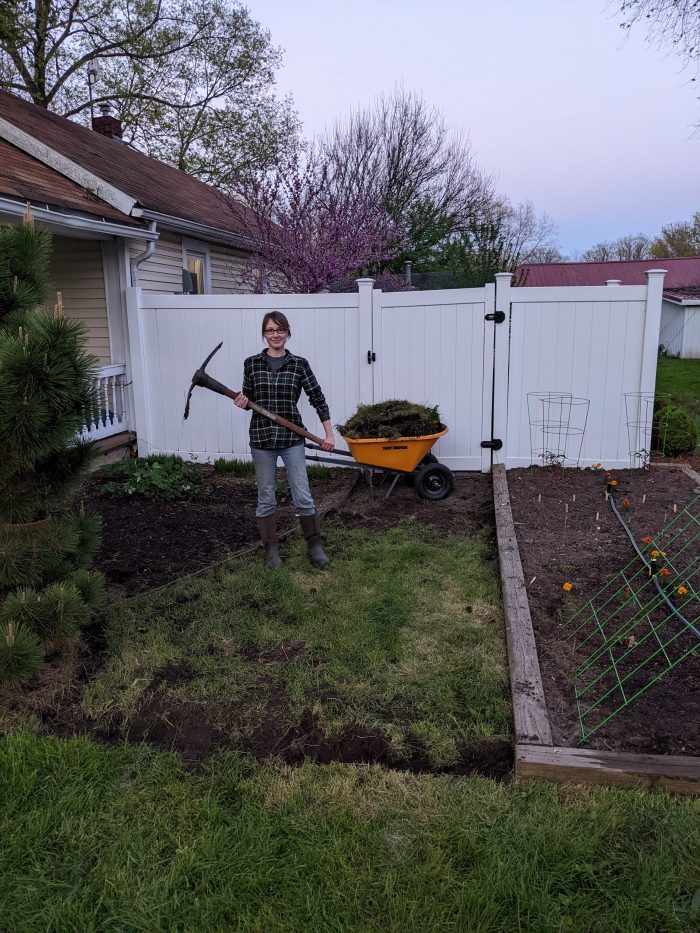
This is the part that stops a lot of people before they even start, and it should not. We grow a significant amount of our own food on about a 1/7th of an acre. That space holds multiple garden beds, a pollinator habitat, fruit trees, and berry patches.
Container gardening is also a legitimate option if outdoor space is limited. Tomatoes, herbs, peppers, lettuce, and radishes all grow well in pots. A sunny balcony or a few square feet of patio can produce more food than most people expect.
The point is that you work with what you have and grow from there.
Planning Your Garden
The best time to start planning your garden is a few months before you actually want to plant anything. Planning ahead gives you time to look honestly at how last season went, order seeds or starter plants, amend your soil, and think through what you actually want to grow and why.
Before you map anything out, ask yourself a few practical questions:
What do we actually eat and cook with regularly?
What did we struggle to keep up with last year?
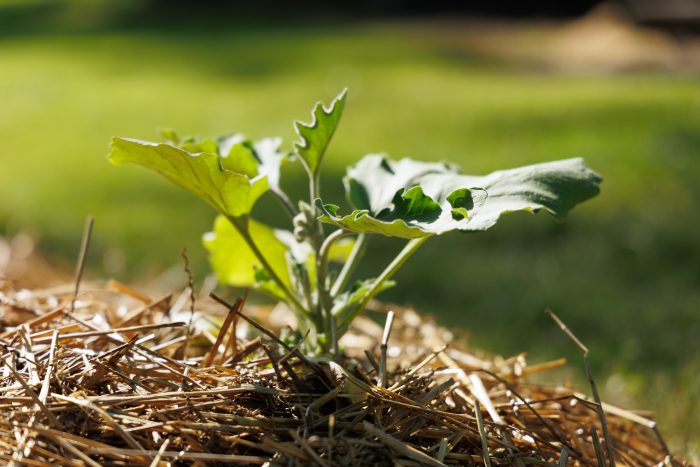
Are we planting vining crops like cucumbers, squash, beans, peas, or tomatoes that will need vertical space or room to sprawl?
Are we planting root vegetables like carrots, beets, potatoes, radishes, or onions that need loose, deep soil?
Which areas of the yard get the most consistent sun?
How much produce are we realistically trying to harvest and preserve?
Your answers will shape how you lay out your beds, what you prioritize, and how much space to allocate to each crop. It is also the right time to think about crop rotation, so you are not planting the same family of vegetables in the same spot season after season, and companion planting, so you can set up combinations that naturally support each other and reduce pest pressure.
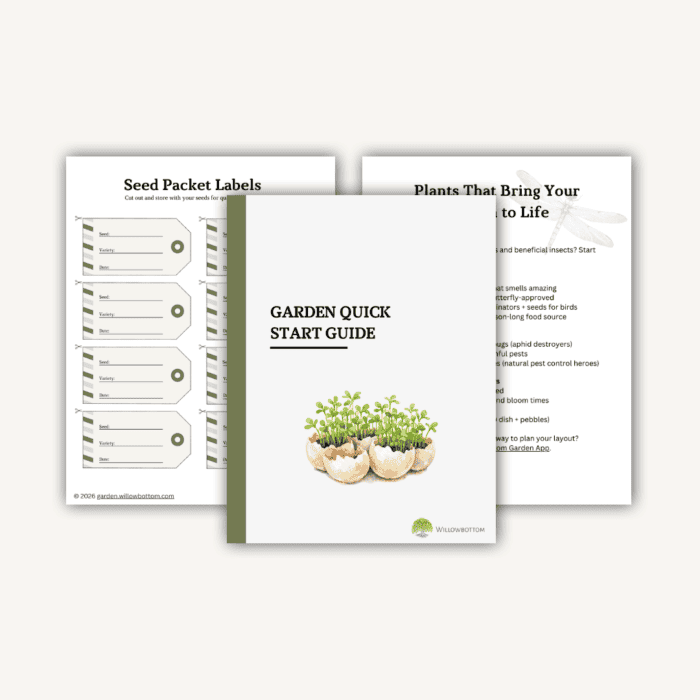
Growing your own food starts with knowing where to begin. Our free guide gets you started, and it connects you to a whole library of resources to grow your knowledge right alongside your garden.
In-Ground Gardening vs. Raised Beds
Both approaches work. The right choice depends on your space, your soil, and your goals.
In-ground gardening works with the natural soil, which, in a healthy yard, can be full of nutrients and beneficial microorganisms. Plants with deep or extensive root systems often do better in the ground because they have room to grow without restriction. Setup costs are lower since you are working with what is already there, though you may need to invest in amendments depending on what your soil looks like. In-ground beds are also more susceptible to compaction, drainage problems, and weeds.
Raised beds give you more control. You build the soil from scratch, so you know exactly what is in it, and drainage tends to be much better. They warm up faster in spring, which can extend your growing season, and they are easier on your back. The downsides are the upfront cost and labor of building or buying them, and the fact that they dry out faster and need more frequent watering. Wood raised beds will eventually rot and need to be replaced.
We use a combination of both, and a lot of gardeners do. Raised beds for crops that benefit from controlled soil and easier access, in-ground for things that spread or need more room. There is no rule that says you have to pick one.
If you are working with very limited space, containers are worth taking seriously. A five-gallon bucket can grow a tomato plant. A window box can grow enough herbs to supply your kitchen all season.
Preparing Your Soil
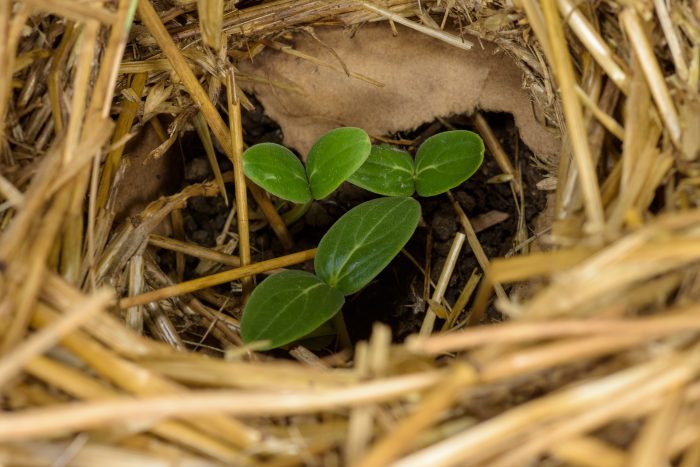
Good soil is the foundation of everything else, and it is worth taking seriously before anything goes in the ground.
If you have not done a soil test, it is a worthwhile starting point. A basic test tells you your pH level and which nutrients are present or lacking, which helps you make smarter decisions about what to add. Many local extension offices offer affordable testing, or you can find home test kits at most garden centers.
Once you know what you are working with, clear the area of weeds and debris. If your soil is compacted, heavy with clay, or very sandy, work in organic matter like compost or well-rotted manure to improve structure, water retention, and nutrient availability. Use a garden fork to break up compaction and work the amendments down into the soil rather than just spreading them on top.
We add compost to our beds every season, both in spring before planting and in fall after we have cleared spent crops. It is the single most impactful thing we do for our soil, and a lot of it comes from our own compost pile, which costs nothing.
Starting Is the Hardest Part
Garden planning has a way of feeling more overwhelming than it actually is. The first season, you figure out your space and what grows well in it. The second season, you refine. By the third, you have a rhythm.
You do not need a perfect plan. You need a starting point and the willingness to pay attention to what happens. Your garden will teach you more than any guide can, and that is part of what makes it worth doing.