
Guide to Planting Your Garden
One of the most enjoyable parts of gardening is also one of the first decisions you have to make: what are you actually going to grow?
There is no universally right answer here. What you plant will depend on your climate, your growing zone, how much space you have, and, honestly, what your household actually eats.
It is tempting to plant something just because it seems fun or ambitious, and there is nothing wrong with experimenting, but the most practical starting point is looking at what you already buy at the grocery store.
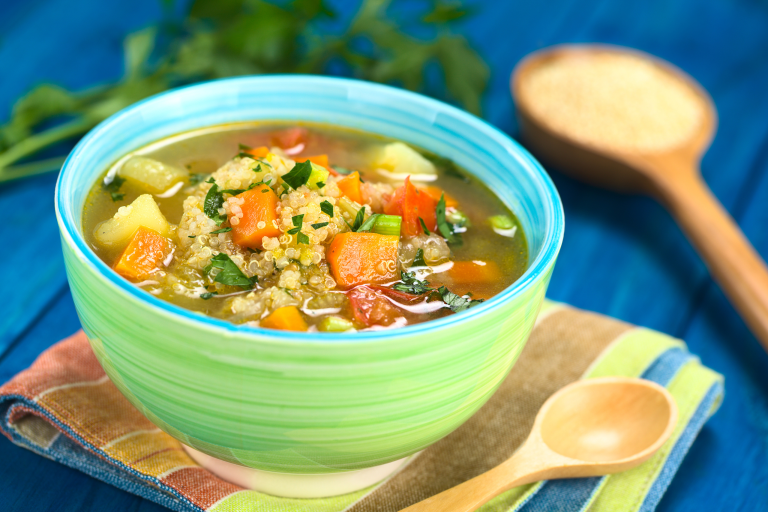
If you go through a pound of tomatoes a week, plant tomatoes. If nobody in your house eats beets, skip them. A garden that grows food your family loves is a garden that actually gets used.
Once you have a rough idea of what you want to grow, the next question is how you are going to get there.
Starting From Seed
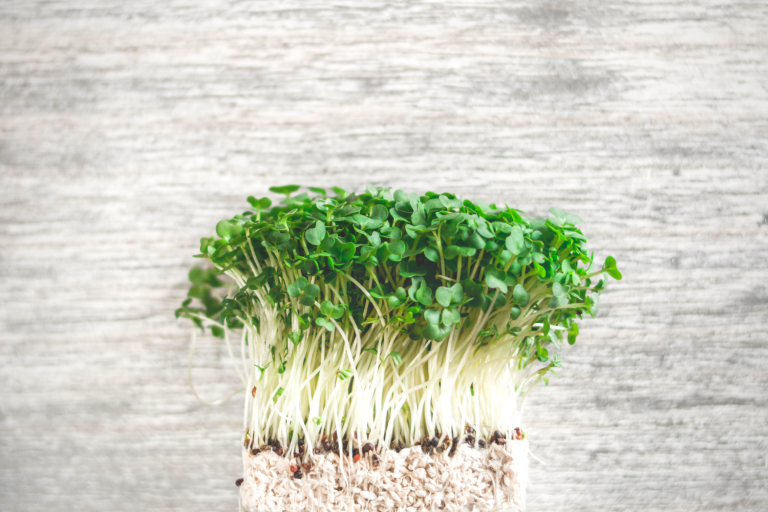
Starting from seed is our preferred approach, and it comes with some real advantages. You have access to a much wider variety of plants than you would find at any local nursery, including heirloom and unusual varieties that you simply cannot get as starter plants. Seeds are also significantly more affordable, especially if you are planting in any real quantity.
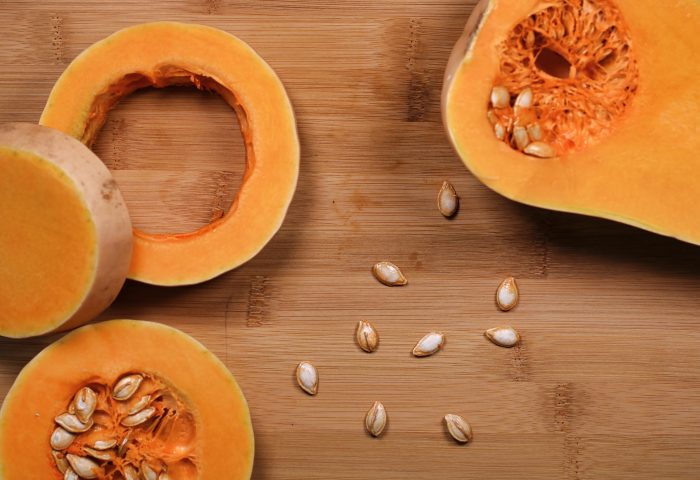
One of our favorite things about seed starting is that it connects you to the full growing cycle. Every fruit and vegetable you grow contains seeds that can be saved and replanted the following year. Keep them in a cool, dry place, and they will stay viable for years.
Over time, you end up with a self-sustaining seed supply, which means a self-sustaining food supply. It takes a little attention at harvest time, but the long-term payoff is worth it.
Sowing Seeds Indoors vs Outdoor
If your growing season is on the shorter side, starting seeds indoors gives you a head start. Indoors, you can control temperature, light, and moisture from the beginning, which lets you get a jump on crops that need a longer growing window. The general rule is to start seeds indoors at least six weeks before your last expected frost, though this varies by growing zone.
If you go the indoor route, look for biodegradable seed pots. When your seedlings are ready to go outside, you can plant the entire pot directly in the ground without disturbing the roots, which makes the transition smoother.
That said, we personally prefer sowing directly in the ground. Our growing season is long enough that we do not need the head start, and we have noticed that seeds started outdoors tend to grow faster and come out sturdier than the ones we have started inside. There is something to be said for plants that adapt to their actual environment from the beginning. Either method works, and you will get a harvest either way. It really comes down to your climate and your preference.
If you are planting directly outdoors, wait until a few weeks after your last frost date to give the ground time to warm up. Cold soil slows germination and can stress young seedlings before they have a chance to establish.
Using Starter plants
Starter plants are a completely valid option, especially if you are newer to gardening or working with a shorter window to get things in the ground. They have already made it through the most vulnerable stages of germination and early growth, so they are more resilient by the time they reach you.
They are also a good safety net for crops with tricky germination rates, or if you want more certainty about a specific variety actually making it. The tradeoff is that you are limited to whatever your local nursery has in stock, which tends to be a narrower selection than what you can find in seed catalogs. But if you are starting out and want to build some confidence before you dive into full seed starting, there is no shame in beginning with starters.
A mix of both is often the most practical approach. Start with seeds for the things you grow in bulk and use starters for anything you are trying for the first time or want to get in the ground quickly.
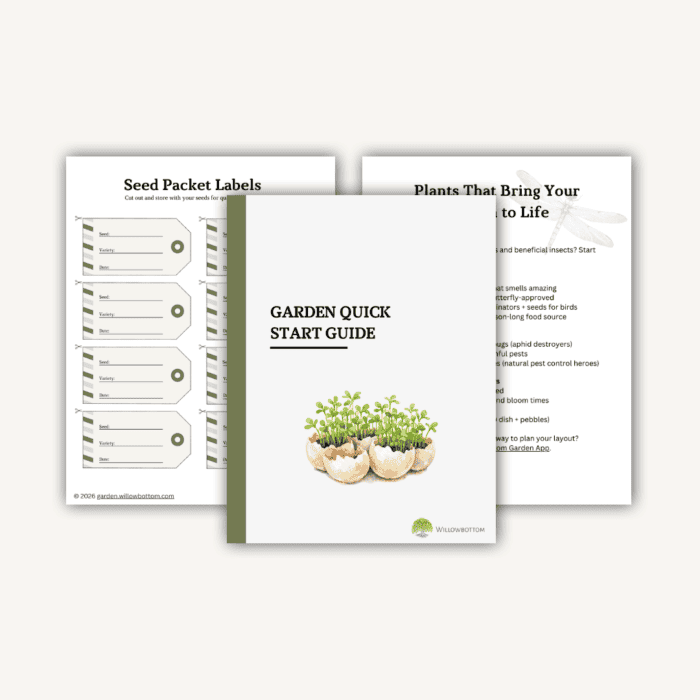
Growing your own food starts with knowing where to begin. Our free guide gets you started, and it connects you to a whole library of resources to grow your knowledge right alongside your garden.
Companion Planting
Companion planting is one of those practices that sounds complicated but is actually pretty intuitive once you start thinking about it. The basic idea is that certain plants do better when they are grown near specific others, either because they deter pests, attract beneficial insects, improve soil, or support each other structurally.
We use companion planting throughout our garden and have found it makes a real difference in both plant health and pest pressure. Some combinations we rely on:
Tomatoes and basil. Basil is said to repel aphids and hornworms and is thought to improve tomato flavor. Whether the flavor effect is real or not, they grow well together and the basil gets plenty of use in the kitchen.
Beans and corn. Corn gives beans something to climb, and beans fix nitrogen in the soil, which benefits the corn. It is a genuinely symbiotic relationship.
Marigolds and just about everything. Marigolds are one of the most versatile companion plants in the garden. They deter nematodes, aphids, and other pests, and they attract pollinators. We plant them throughout our beds, not just in one spot.
Cucumbers and nasturtiums. Nasturtiums draw aphids away from the cucumbers, essentially acting as a sacrificial plant. They are also edible, so nothing goes to waste.
Carrots and onions. Onions help repel carrot flies, which can do serious damage to a carrot crop. Planting them together is a simple way to reduce that risk.
Lettuce and radishes. These two do well interplanted because they help deter pests that affect each other, and they make efficient use of space since radishes come up quickly and are harvested before the lettuce needs the room.
Companion planting is one of those areas where experimentation pays off. What works in one garden does not always translate directly to another, so pay attention to what you observe over a season or two and let your garden teach you.
A Few More Things Worth Knowing Before You Plant
Know your growing zone. The USDA Plant Hardiness Zone Map is a helpful starting point for understanding what grows well in your area and when to plant it. Your zone affects everything from frost dates to which perennials will survive your winters.
Think about crop rotation from the start. Even if you are planting your first garden, it is worth planning where things go with future seasons in mind. Rotating crops each year helps prevent soil-borne disease from building up and keeps the soil from getting depleted in one area.
Do not skip the soil prep. Seeds and starter plants alike will struggle in compacted, nutrient-poor soil. Amending your beds with compost before planting makes a significant difference in how well everything gets established.
Start smaller than you think you need to. It is very easy to plant more than you can keep up with, especially in a first season. A well-maintained smaller garden will outperform a neglected large one every time.
Gardening is genuinely a lifelong practice. You will learn more in your first season than any guide can teach you, and every year after that you will refine what works for your specific space, soil, and climate. The goal is not perfection, it is progress and good food along the way.