Creatures that are beneficial to the environment
Most of us walk right past them without a second thought. The little beetle crossing the path, the worm disappearing into the soil after rain, the spider in the corner of the garden bed. They seem small, maybe even insignificant, but they are quietly holding everything together.
There is an entire world working underneath and around us, and most of it goes completely unnoticed until something goes wrong.
These creatures pollinate our food, break down organic matter, clean the soil, and keep pest populations from spiraling out of control. They support biodiversity, feed larger animals, and cycle nutrients back into the ground so that plants can grow and the whole cycle can continue. When they thrive, the ecosystem thrives. When they disappear, everything downstream starts to feel it, including us.
Something as simple as a pile of fallen leaves can be a lifeline for dozens of these creatures over winter. What looks like yard waste is actually a shelter, a food source, and a hibernation spot for the very organisms keeping your soil healthy. This is part of why we leave our garden beds largely undisturbed through the colder months.
It is not dramatic to say that without these small, often overlooked creatures, our food systems and ecosystems would be in serious trouble. So let’s talk about who they are and what they actually do.
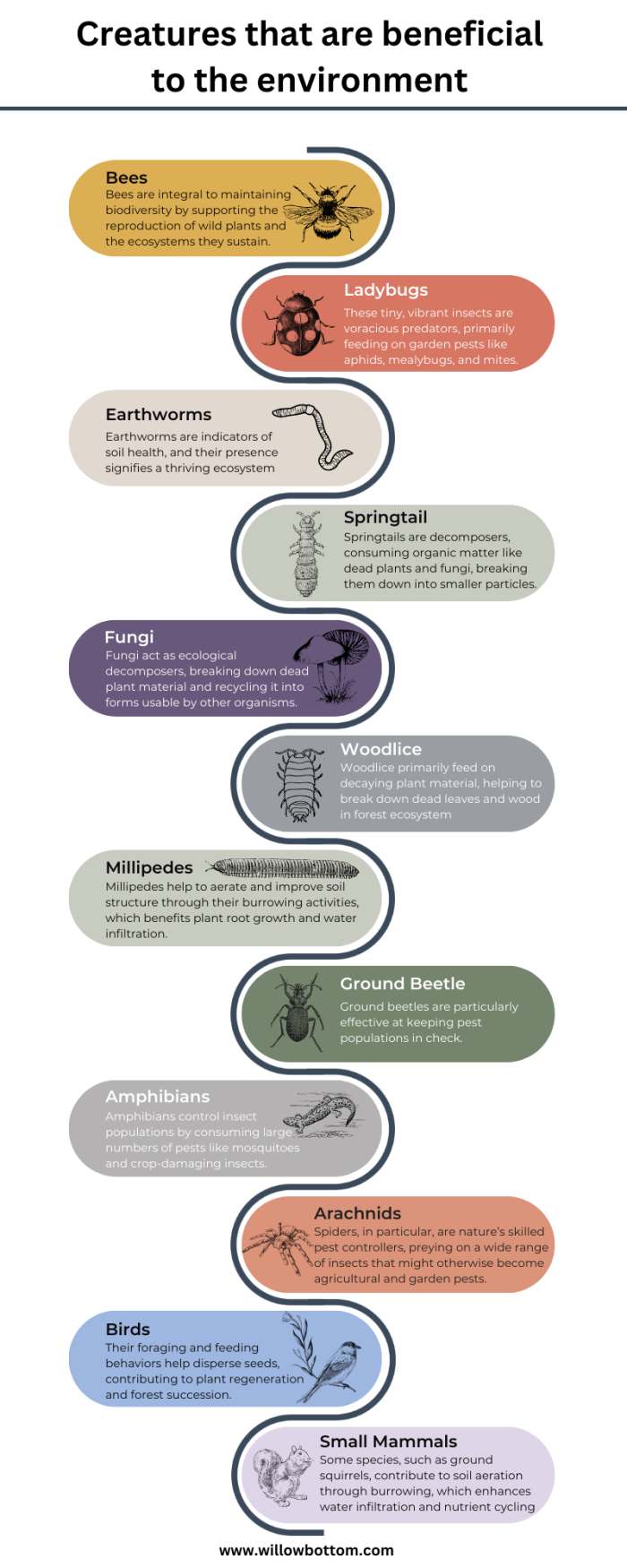
Bees
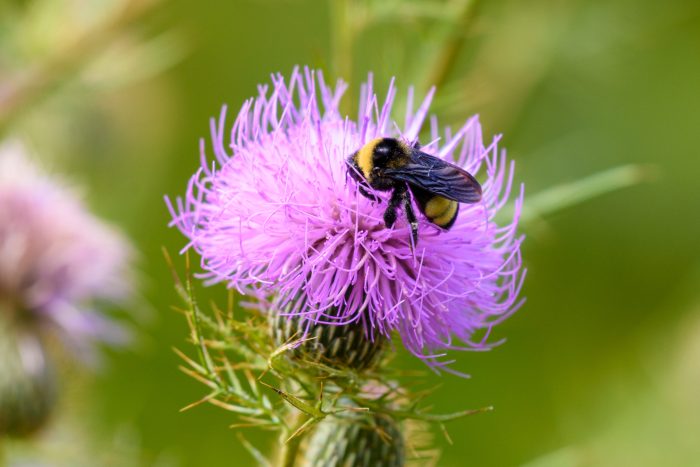
Bees are probably the most well-known beneficial creature, and for good reason. As they move from flower to flower collecting nectar, they transfer pollen, enabling plants to reproduce. This affects not just wildflowers but fruits, vegetables, nuts, and crops that feed people and wildlife all over the world.
Beyond their role in our food supply, bees support the broader health of ecosystems by sustaining wild plant populations that other animals depend on. Honeybees get most of the attention, but native bee species are just as important and often more efficient pollinators for specific plants.
If you want to support bee populations, planting a variety of flowering plants that bloom at different times throughout the season gives them a consistent food source. Avoiding pesticides, even “natural” ones, during bloom times protects them too.
Ladybugs
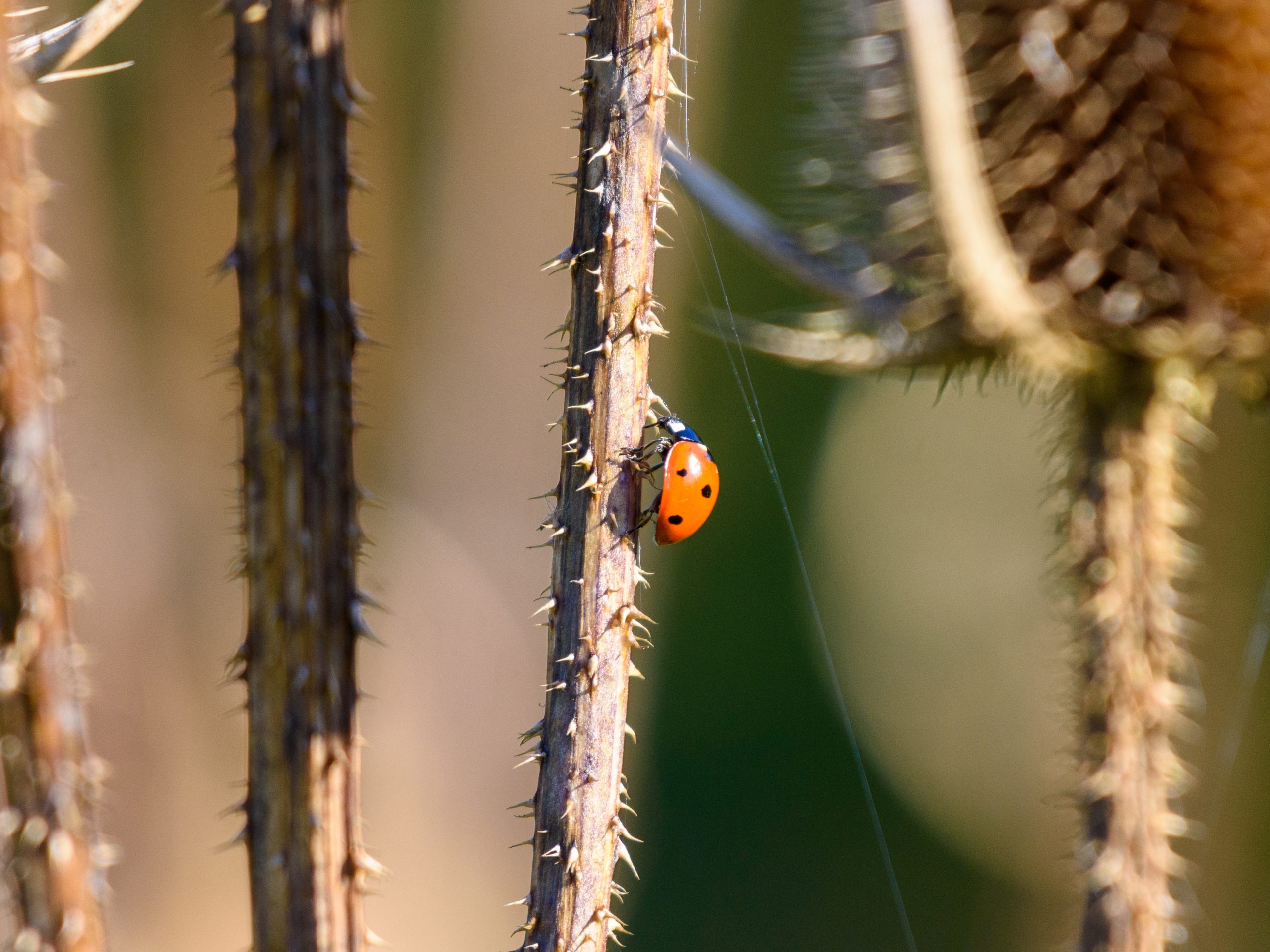
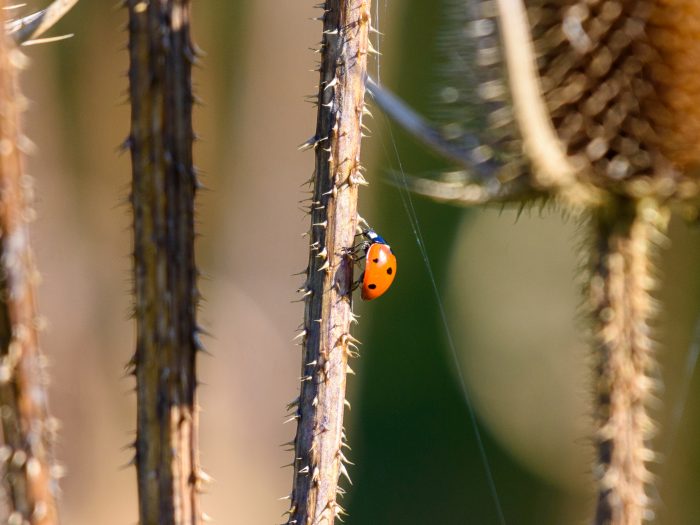
A ladybug in your garden is very good news. They are voracious predators of aphids, mealybugs, and mites, which are some of the most common and damaging garden pests. A single ladybug can consume hundreds of aphids in a day.
Because they do so much of this work naturally, they reduce your need to intervene with sprays or treatments. They are also part of the food chain themselves, feeding birds and other predators, so their presence supports life beyond just your garden beds.
If you are trying to attract ladybugs, dill, fennel, and yarrow are among the plants they are drawn to.
Earthworms
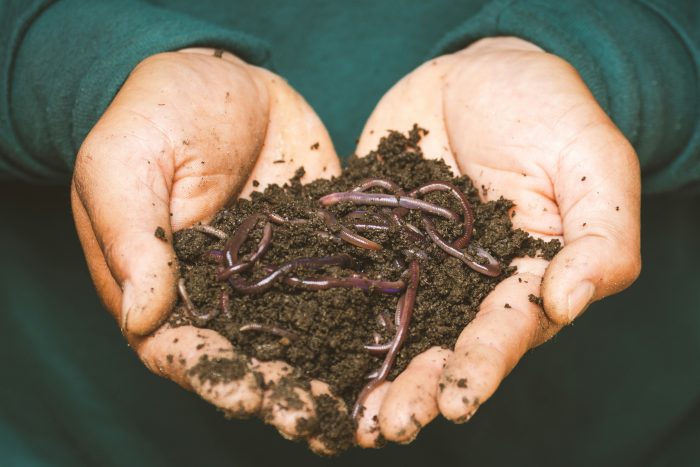
Earthworms might be the most underappreciated creature in the garden. They tunnel through the soil, creating channels that improve drainage and aeration, which helps plant roots grow deeper and access water more effectively. As they move through the soil, they consume organic matter like decomposing leaves and plant material, breaking it down into nutrient-rich castings that fertilize the ground naturally.
Their presence is an indicator of soil health. Healthy worm populations mean healthy soil, and healthy soil means healthier plants. If you are not seeing many worms in your beds, it is worth looking at what might be disrupting them, compaction, lack of organic matter, or chemical use being the most common culprits.
Springtails (Collembola)
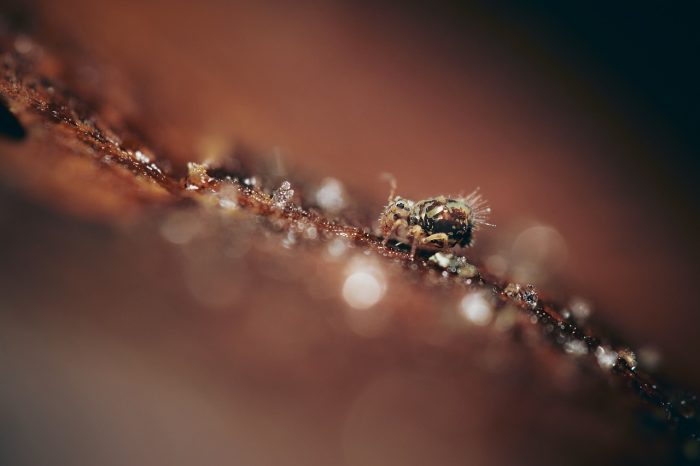
Springtails are tiny, and most people have never heard of them, but they are everywhere in healthy soil and leaf litter. They are decomposers, breaking down dead plant material and fungi into smaller particles that cycle nutrients back into the ground.
They also improve soil structure through their movement and burrowing, which helps with water infiltration and aeration. They are one of those background creatures that rarely get credit but would be missed enormously if they were gone.
Fungi (e.g., Mycorrhizal fungi)
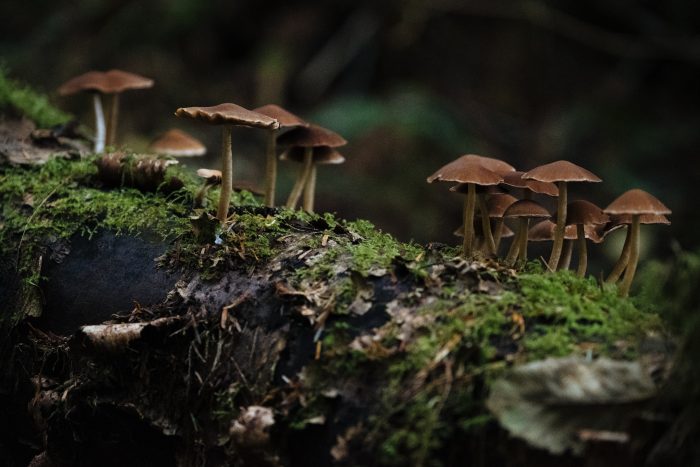
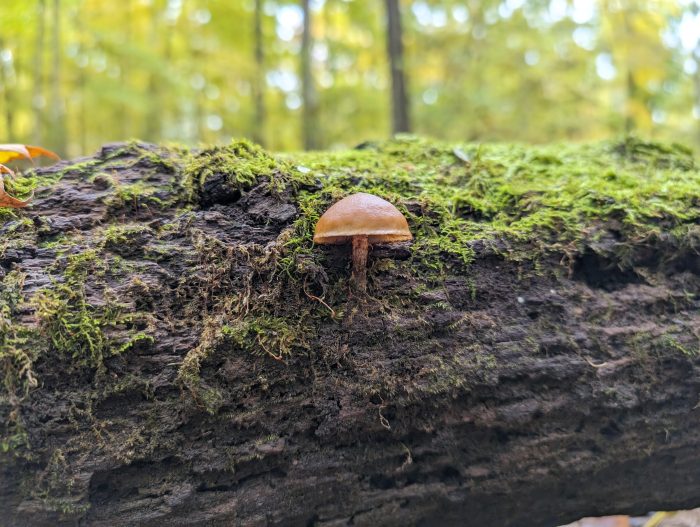
Fungi deserve a lot more attention than they get in garden conversations. They break down organic matter and return carbon, nitrogen, and other essential elements back to the soil. Mycorrhizal fungi form symbiotic relationships directly with plant roots, helping them absorb water and nutrients, especially in soils that are not particularly fertile.
Some fungi also have properties that protect plants against disease. And beyond all of that, they serve as food for countless insects and wildlife, contributing to biodiversity in ways that go far beyond what we can see above ground.
The more we learn about fungal networks, the more it becomes clear that the soil is far more alive and interconnected than most people realize.
Woodlice (Isopods)
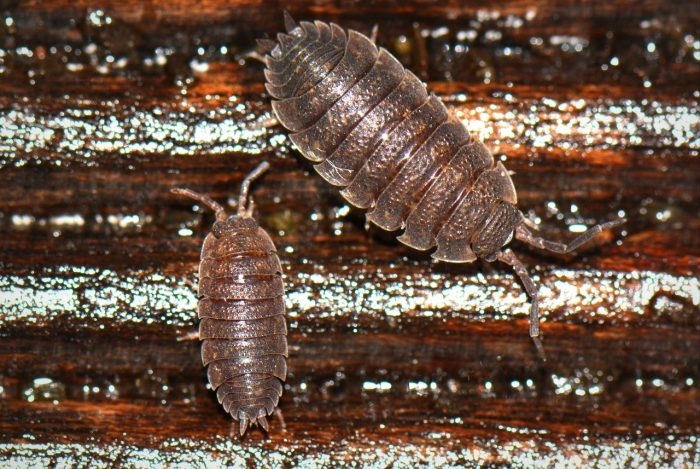
If you have ever lifted a log or a damp piece of bark and found a cluster of small armored creatures rolling up into balls, those are woodlice. They are decomposers that feed on decaying plant material, breaking down dead leaves and wood and returning nutrients to the soil in the process.
They are also a food source for birds, amphibians, and predatory insects, so their role extends well beyond just decomposition. Like earthworms, their presence tends to signal that your soil ecosystem is functioning well.
Millipedes
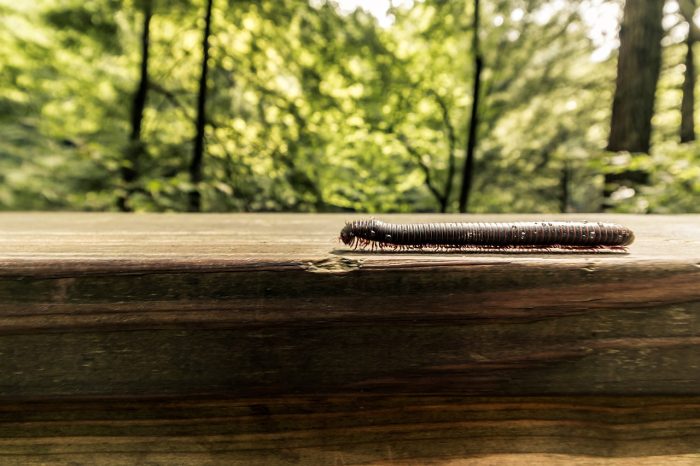
Millipedes get lumped in with things people find creepy, but they are doing essential work. They are detritivores, meaning they feed on decaying matter, and their role in breaking down dead plant material into smaller, nutrient-rich pieces helps fertilize soil and support plant growth.
Their burrowing also aerates the soil, and like most of the creatures on this list, they feed other animals further up the food chain. Seeing millipedes in your garden beds is a good sign, not a reason to reach for anything.
Growing your own food starts with knowing where to begin. Our free guide gets you started, and it connects you to a whole library of resources to grow your knowledge right alongside your garden.
Ground Beetles
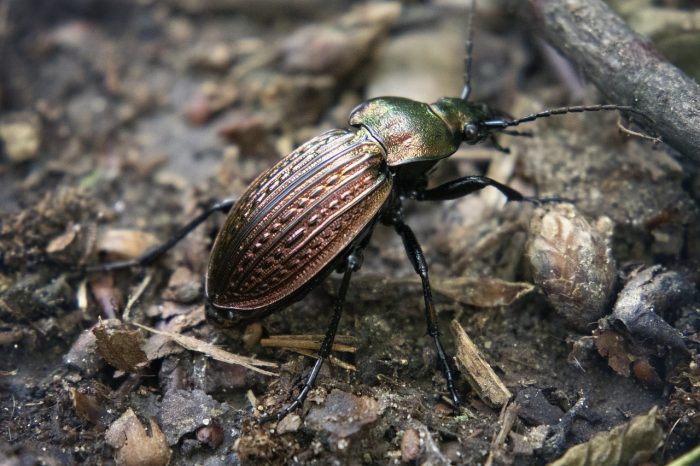
Ground beetles are nocturnal hunters that feed on slugs, snails, caterpillars, and other insects that cause real damage to crops and garden plants. They are one of the most effective natural forms of pest control available, and they do their work without you having to do anything.
They also consume organic matter and contribute to nutrient cycling. Providing dense ground cover, mulch, or log piles gives them places to shelter during the day, which encourages them to stick around.
Amphibians (e.g., salamanders and frogs)
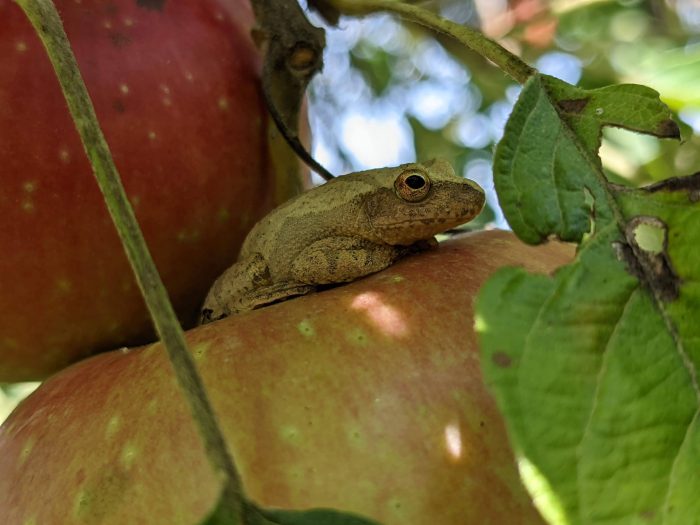
Amphibians are what scientists call indicator species, meaning their health reflects the health of the environment around them. They are sensitive to water quality, habitat disruption, and chemical exposure, so declining amphibian populations tend to be an early signal that something is off.
In the garden, frogs and toads are excellent pest controllers. They consume large numbers of mosquitoes, slugs, and crop-damaging insects. They are also prey for larger animals, so supporting them supports the broader food web.
A small pond or even a shallow dish of water in the garden, along with some dense plantings where they can hide, can make your space much more hospitable to them.
Spiders)
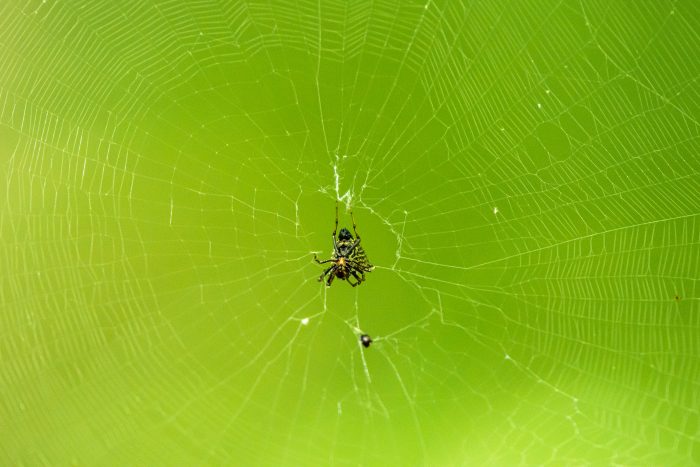
Spiders are one of the most misunderstood creatures in the garden, and one of the most useful. They prey on a wide range of insects that would otherwise cause problems, and they do it constantly and without any effort on your part.
They also contribute to nutrient cycling by decomposing dead insects and organic matter. Beyond the garden, they are a food source for birds, reptiles, and other animals. The instinct to remove spider webs from garden beds is worth resisting.
Birds
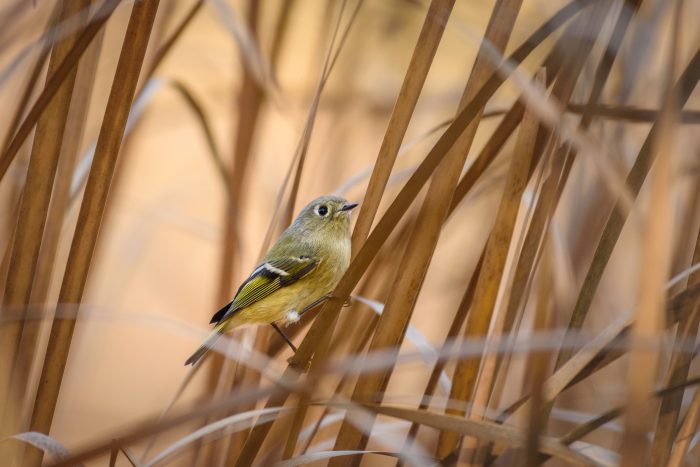
Birds bring a lot of joy to a garden just by being there, but their ecological role goes well beyond that. They control insect populations by feeding on pests that damage plants, they disperse seeds through their foraging, and many species are pollinators for plants that bees and other insects do not service as effectively.
Their migratory patterns also connect distant habitats and contribute to genetic diversity in plant and animal populations across wide geographic areas. Planting berry-producing shrubs and native plants, and providing a water source, will draw more birds to your space naturally.
Microbes (e.g., bacteria and fungi)
Bacteria, fungi, and other microorganisms in the soil are foundational to everything else on this list. They are the engine of nutrient cycling, breaking down organic matter into forms that plants can actually absorb. Without them, the soil would be biologically dead, and nothing else would be able to survive in it.
Some microbes form direct relationships with plant roots, helping them access nutrients and resist disease. Others purify water by breaking down pollutants. They are at the heart of the carbon and nitrogen cycles that make life on earth possible.
Healthy microbial populations come from feeding your soil well, adding compost and organic matter regularly, minimizing tillage, and avoiding chemical inputs that disrupt the microbial community.
Small Mammals (e.g., shrews and voles)
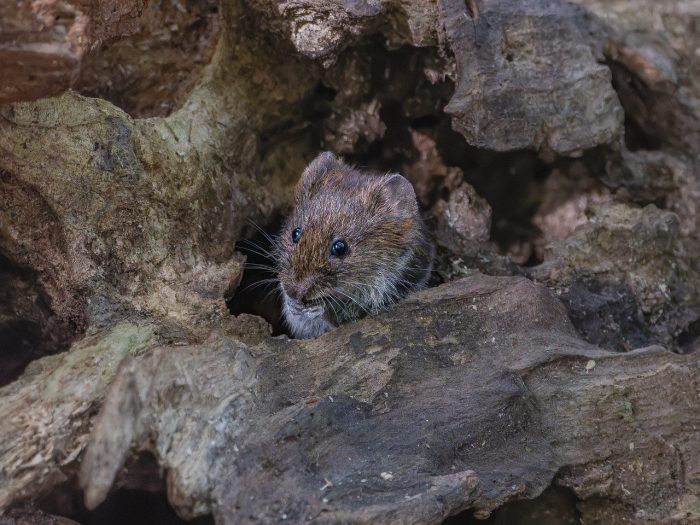
Shrews, voles, and mice tend to get a complicated reception in the garden, and fair enough, they can cause damage. But they also serve important ecological roles. They are prey for raptors, snakes, and larger predators, and they disperse seeds in their foraging and nesting, helping regenerate plant life in ways that would not happen otherwise.
Species like ground squirrels also contribute to soil aeration through burrowing, which improves water infiltration and nutrient cycling. They are part of the system whether we like it or not, and maintaining a balanced habitat tends to keep their populations in check naturally.
You do not have to overhaul your entire yard to make a difference. Some of the most impactful things are also the simplest.
Leave your leaf litter in place through winter. Skip the pesticides, or at least be very intentional about when and what you use. Plant for pollinators. Add a water source. Let some areas of your garden stay a little wild and undisturbed. Reduce how much you till.
These creatures do not need much from us. Mostly, they need us to stop working against them.
The more intentional we are about the spaces we manage, the more we can support the quiet, invisible work that keeps everything running.
Practicing sustainable land use, responsible pesticide management, and wildlife-friendly gardening promotes coexistence with these beneficial creatures. By embracing our role as protectors of the environment and the creatures that support it, we contribute to a healthier, more biodiverse, and sustainable world for all living beings.
One person can make a difference.